Explore the essential aspects of hiring reputable home roofers with our comprehensive guide. We’ll cover important questions and topics important for anyone considering a roofing project or repair. This guide provides insights into the entire process, from identifying qualified roofing experts to understanding roofing repairs and replacements.
1. How to Identify a Qualified Roofing Expert?
When embarking on the journey of hiring a roofing expert, it becomes crucial to meticulously verify the qualifications and certifications of your potential candidates. This initial step serves as a foundation that ensures you are entrusting your roofing needs to capable hands. Begin by confirming that your prospective roofing contractors possess all necessary licenses, as these are mandatory attests to their legitimacy and adherence to local regulations. Furthermore, delve into checking their certifications from credible institutions within the industry. These certifications are not merely decorative; they signify that these professionals have undergone rigorous training and are up-to-date with the latest roofing technologies and practices. By doing so, you align yourself with industry standards and gain a comforting assurance in their capabilities.
Equally vital to consider is the overall experience and expertise that a roofing contractor brings to the table. In this context, roofing contractors who boast extensive experience are akin to seasoned artisans with a rich tapestry of knowledge. Their proven track record often speaks volumes about their ability to navigate the intricacies of various roofing challenges adeptly and efficiently. To gauge their level of expertise and reliability, it is prudent to delve into their past projects. Reviewing these projects, along with client testimonials, provides valuable insights into the quality and consistency of their work. This research empowers you with confidence, knowing your roofing project is in skilled and dependable hands.
Moreover, an effective strategy in your decision-making process is reaching out to references or engaging with previous clients. Firsthand experiences from former clients provide an unfiltered glimpse into the roofing contractor’s professionalism and the quality of workmanship they deliver. These conversations can illuminate aspects of the contractor’s service that might not be immediately apparent from written materials or polished presentations. Trusted recommendations from satisfied customers add an extra layer of assurance, further solidifying your selection of the right roofing expert. In summary, taking these thorough steps not only ensures the successful completion of your roofing project but also guarantees peace of mind throughout the process.

2. What Are the Key Responsibilities of Roofing Contractors?
The primary task of roofing contractors encompasses the management and execution of roofing projects. This includes providing estimates, preparing work plans, and sourcing materials. Their responsibilities ensure the project’s success, adhering to client specifications and timelines.
Legal and safety obligations must also be at the forefront. Roofing contractors are required to adhere to legal regulations, ensuring that their operations are compliant with industry standards and local laws. Incorporating safety measures protects both the team and your property, minimizing risks during roofing projects.
Communication with clients is another vital responsibility. Roofing contractors must maintain transparent communication, keeping homeowners informed throughout the project. Answering queries promptly and providing updates builds trust and ensures satisfaction.
3. Why is a Roof Inspection Crucial Before Hiring?
Conducting a roof inspection prior to hiring roofing experts is essential for identifying the current state of your roof. A thorough inspection highlights underlying issues that may not be visible initially. This allows for accurate assessments and tailored solutions from the roofing contractors you hire.
The benefits of a comprehensive roof inspection include spotting potential problems before they escalate. Detecting issues early prevents costly repairs and extends the roof’s lifespan. Roofing experts utilize this information to propose effective repair or replacement strategies.
Common issues found during inspections often include leaks, damaged shingles, and structural weaknesses. Regular inspections help in maintaining the overall health of the roof. Being aware of these issues enables you to choose roofing companies that can address them proficiently.
4. How Do Roofing Experts Assess Damage?
Roofing experts employ various techniques and tools to evaluate damage accurately. Visual inspections remain a primary method, allowing the expert to detect apparent defects. These initial observations guide further investigations into the roof’s condition.
Advanced tools enhance damage assessment by highlighting hidden problems. Infrared thermography, for example, reveals moisture intrusion and insulation deficiencies. By leveraging these techniques, roofing contractors ensure comprehensive evaluations before recommending solutions.
Differentiating between various types of roof damage is crucial. Damage types range from minor dents to extensive water damage, each requiring specific repair approaches. Understanding the nature of the damage aids in selecting the appropriate roofing repairs and strategies.
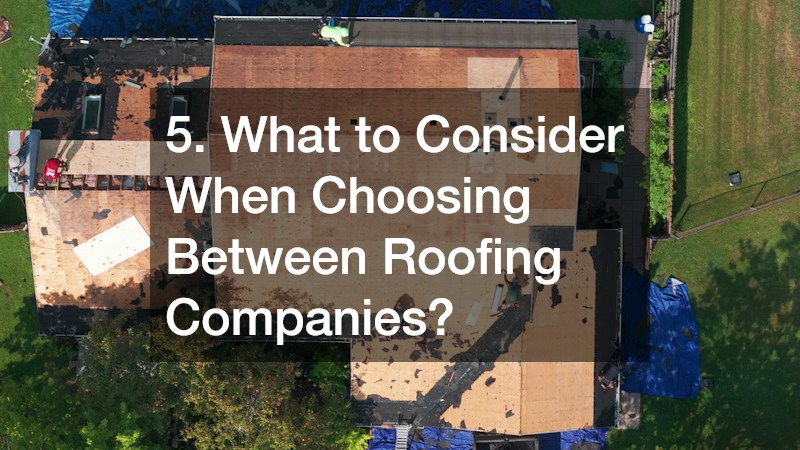
5. What to Consider When Choosing Between Roofing Companies?
Considering rates and services offered by different roofing companies is crucial in making informed decisions. Pricing varies significantly, hence obtaining multiple estimates gives you an overview of market standards. Compare the scope of services to ensure you receive value for your investment.
Customer reviews and recommendations serve as reliable indicators of a company’s reputation. Positive reviews reflect past client satisfaction, suggesting reliable workmanship. Prioritize companies with commendable reviews and a strong track record in delivering quality results.
Understanding service inclusions provided by roofing companies also matters. Some contractors offer comprehensive packages that cover maintenance and post-installation inspections. Choosing such roofing companies ensures sustained support beyond the initial installation.
6. How to Ensure You Hire the Right Roofing Contractor?
Conducting background checks is fundamental in securing the best roofing contractor for your needs. Verify credentials through industry associations and check for any legal disputes. A clean record reflects professionalism and reliability in their operations.
Engage directly with potential contractors by asking targeted questions. Inquire about timelines, warranty offerings, and specific areas of expertise. Clear communication aids in setting expectations and ensures alignment with your roofing project objectives.
Ensure background checks extend to financial stability. Assess their ability to manage contracts and fulfill obligations without compromising on quality. Solid financial health translates to uninterrupted roadmaps and secure project financing.
7. What Kinds of Roofing Repairs Can Be Done?
Minor roofing repairs address small-scale issues that, if left unchecked, could escalate. Common minor repairs include fixing leaks, patching up damaged shingles, and sealing small cracks. Ensuring timely intervention avoids more significant problems down the road.
Roofing contractors are also adept at handling significant roof repair challenges. Common major repairs encompass replacing large roof sections, correcting structural damage, and addressing water damage. These tasks require specialized expertise and advanced tools for effective resolution.
The choice between major and minor repairs often hinges on the extent of damage and the roof’s condition. An honest evaluation from a roofing expert determines the best course of action. Opt for roofing repairs that align with the needs and longevity of your roof.

8. How Do Local Roofing Contractors Benefit Homeowners?
Hiring local roofing contractors presents numerous advantages, starting with familiarity with local regulations and requirements. Local experts navigate specific municipal codes effortlessly, ensuring project conformity. This avoids legal complications that might arise during projects handled by distant contractors.
Additional advantages include accessibility and prompt response times. Local contractors can quickly visit the site for assessments, quotes, and repair jobs. Their proximity fosters quicker solutions to emergent roofing issues, keeping your home safe and secure.
Building community relationships is an indirect benefit gained through involving local roofing contractors. Investing in local services strengthens community ties, fostering mutual growth and support. Homeowners enjoy prioritized services due to shared community interests and goals.
9. When is a Roof Replacement Necessary?
Signs indicating a need for roof replacement typically manifest through severe damage or aging. Persistent leaks, widespread shingle loss, or structural compromises necessitate a full replacement. Early identification of these signs aids in seamless planning and budgeting for new installations.
Roof replacement decisions contrast sharply with repair considerations. Weighing pros and cons between repairs and total replacement requires careful assessment. Consulting with a roofing contractor who offers an informed perspective eases this critical decision-making process.
Replacement projects contribute tangible improvements to your home. Enhanced energy efficiency, modern aesthetic appeal, and increased property value are delivered through thorough replacement efforts. Proper replacement strategies adapt to evolving homeowner needs.
10. How Can You Prepare for a Roof Replacement?
Pre-replacement planning begins with scheduling evaluations to determine precise needs. Roofing experts offer detailed reports outlining required preliminary actions. A well-outlined timeline facilitates seamless preparation and execution stages.
Homeowners play an active role by clearing out workspaces and securing personal items. Minimizing exterior obstructions promotes contractor productivity and safety. Informing neighbors also mitigates disruptions during the replacement operations.
Ensuring safety during installation remains a critical consideration throughout the replacement. Contractors must adopt comprehensive safety protocols protecting workers and homeowners. Coordination with reputable roofing contractors promises adherence to strict safety standards.
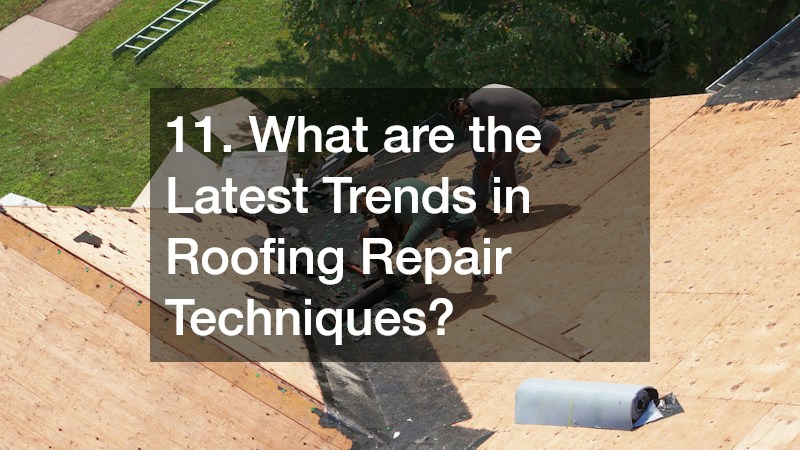
11. What are the Latest Trends in Roofing Repair Techniques?
Innovative materials revolutionize current roofing repair practices, enhancing durability and aesthetics. Synthetic shingles and composite materials offer superior longevity and weather resistance. Roofing experts increasingly incorporate these materials into repair strategies for sustainable outcomes.
Advanced repair methods encompass technologies such as drone inspections and robotic assistance. These approaches improve accuracy in assessments and reduce human risk factors associated with manual inspections. Forward-thinking roofing contractors leverage these technologies for efficient repair solutions.
Integration of eco-friendly practices reflects modernization within the roofing industry. Solar panel installations and green roofing options cater to eco-conscious homeowners. Incorporating these options during repairs promotes environmental sustainability alongside structural improvements.
12. Why is Regular Roof Maintenance Important?
Routine roof maintenance is essential for prolonging the roof’s lifespan and preventing unexpected expenses. Proactive measures like regular cleanings and debris removal prevent clogging and water damage. Roofing experts emphasize that consistent upkeep reduces deterioration speed notably.
Routine inspections complement maintenance efforts by unveiling hidden damage before it exacerbates. Trained roofing contractors can catch subtle issues, allowing homeowners to address them promptly. Inspections form the cornerstone of effective long-term maintenance strategies.
Following maintenance tips reinforces longevity and overall performance benefits. Simple actions like gutter cleaning, addressing minor leaks, and ensuring proper ventilation do wonders for the roof. Adhering to expert-recommended practices optimizes performance and extends life.
Choosing the Right Roofer: A Comprehensive Guide
When it comes to maintaining the integrity and safety of your home, one of the most significant decisions you will make is selecting a qualified and trustworthy roofer. The roof is an essential component of your house, shielding you and your loved ones from various weather elements and contributing significantly to the structural stability of the entire building. Thus, ensuring you hire the right professional for your roofing needs is crucial for both the safety of the inhabitants and the long-term durability of your property.
This guide aims to equip homeowners with the knowledge and understanding needed to make informed decisions when it comes to roofing services. By following the steps outlined here, you can confidently navigate the often overwhelming and complex landscape of roofing services, ensuring your home will be entrusted to capable and reliable professionals.
Firstly, start by researching and gathering recommendations from friends, family, or neighbors who have recently had roofing work done. They can provide firsthand insights into the reliability and quality of work of the roofers they have used. Additionally, online reviews and ratings can also serve as valuable resources in vetting potential roofers. Look for reviews that specifically mention the quality of workmanship, timeliness, and post-service support, as these are critical factors in long-term satisfaction.
Once you have a shortlist of potential candidates, it is crucial to verify their credentials. Ensure the roofer has the necessary licenses and insurance to operate in your area. Licensing typically indicates that the roofer has met certain industry standards, while insurance protects you from liability in case of damages or injuries during the roofing process. Make sure to ask for documentation and do not hesitate to cross-check with local authorities if needed.
By investing time and effort into understanding and selecting the right roofer, you are essentially safeguarding your home and ensuring a roof that will stand the test of time. Adequate preparation and understanding empower you to navigate the complex roofing landscape effectively, leading to peace of mind and a solid, dependable roof over your head.