A home’s mechanical infrastructure operates continuously behind the scenes, providing essential comforts such as hot water, indoor climate control, clean sanitation, and safe fuel distribution. Because these systems are largely hidden within walls, basements, and utility closets, homeowners frequently take their daily operation for granted until a sudden system breakdown occurs. Neglecting routine maintenance allows minor wear and tear—such as sediment buildup, small pipe leaks, worn electrical relays, or line corrosion—to escalate into catastrophic equipment failures. A sudden breakdown not only disrupts daily family routines but can also lead to extensive interior water damage, structural rot, high utility bills, and severe safety hazards.
Taking a proactive approach to household maintenance transforms unpredictable home repairs into manageable, scheduled tune-ups. Regularly inspecting and servicing your property’s primary mechanical systems preserves operating efficiency and extends the lifespan of expensive appliances. Resolving minor mechanical flaws before they worsen reduces strain on system components, lowers monthly energy consumption, and prevents emergency service calls during severe weather events. A disciplined upkeep schedule safeguards your home’s equity while ensuring your living space remains safe, comfortable, and functional year-round.
Executing comprehensive home maintenance requires partnering with licensed, insured trade professionals who possess the technical diagnostic tools and skills needed to service modern residential utilities. Coordinating routine heating, cooling, plumbing, and gas line inspections ensures that all home systems conform to regional building codes and manufacturer safety standards. Investing in consistent preventative care protects your financial investment, eliminates unexpected repair costs, and guarantees long-term peace of mind.
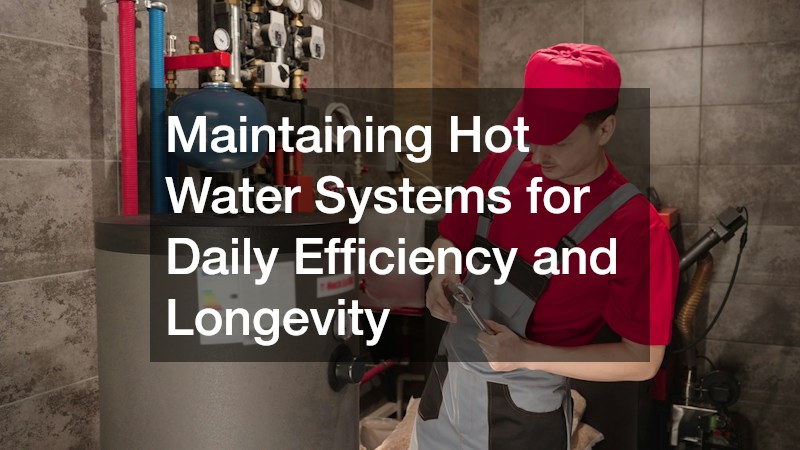
Maintaining Hot Water Systems for Daily Efficiency and Longevity
Hot water is vital for daily household tasks, including morning showers, dishwashing, and laundry. Over time, naturally occurring minerals in municipal water supplies settle at the bottom of water heater storage tanks, forming a dense layer of sediment. This sediment insulates the heating element from the water, forcing the system to run longer, consume excess energy, and overheat internal tank linings, which can lead to premature tank failure.
Scheduling professional water heater services ensures that storage tanks are thoroughly flushed, anode rods are inspected for corrosion, and temperature-pressure relief valves are tested for proper function. Trained technicians evaluate burner assemblies and electric heating elements to guarantee optimal thermal transfer and energy efficiency. Regular maintenance prevents internal rust formation and ensures a steady, reliable supply of hot water throughout your home.
Proactive water heater care significantly extends equipment lifespan while lowering monthly utility bills. Eliminating sediment buildup reduces operational strain on heating components and prevents unexpected tank ruptures. Routine servicing protects your home from water damage and maintains consistent hot water delivery for all your daily needs.
Upgrading Appliance Technology for Peak Performance and Safety
When an aging water heater reaches the end of its functional life—typically after ten to twelve years—executing constant patch repairs becomes financially impractical. Modern heating units offer advanced energy efficiency, rapid recovery rates, and compact tankless designs that provide continuous hot water while reducing energy consumption. Upgrading to a modern system eliminates sudden leak risks and improves overall household energy management.
Collaborating with a qualified water heater installer guarantees that your new heating unit is sized accurately based on your household’s peak water demand and fuel supply capabilities. Certified installers ensure that gas supply lines, electrical circuits, thermal expansion tanks, and venting systems comply fully with regional building codes and manufacturer specifications. Proper installation prevents backdrafting of combustion gases and ensures safe, efficient operation from day one.
Upgrading to a high-efficiency water heating system increases property value and lowers monthly operating costs. Modern tankless and hybrid heat pump units offer superior durability and advanced leak-detection features that protect your home. Professional installation delivers long-term reliability and energy savings.
Resolving Urgent System Breakdown Issues with Fast Technical Care
Water heaters can experience unexpected component failures, such as failed thermocouples, broken thermostats, faulty heating elements, or leaking drain valves, even with routine maintenance. Facing a sudden loss of hot water or discovering water pooling around the base of a tank requires immediate technical intervention to prevent property damage and restore essential household utilities.
Booking a certified local water heater repair technician provides rapid diagnostic evaluation and targeted component replacement to get your heating system back online quickly. Experienced repair specialists carry specialized multimeter tools and factory replacement parts to identify electrical or gas ignition faults accurately. Prompt professional intervention resolves mechanical issues before minor component failures destroy the main tank assembly.
Timely repair services restore household comfort and prevent small mechanical issues from turning into major replacement expenses. Working with nearby repair technicians guarantees fast response times during heating emergencies. Technical care restores system safety and extends the functional life of your water heating equipment.
Partnering with Nearby Specialists for Infrastructure Maintenance
A home’s water supply and drainage networks consist of complex piping runs hidden behind drywall, under subfloors, and beneath concrete slab foundations. Over time, water pressure fluctuations, thermal expansion, and mineral corrosion can weaken pipe joints, leading to subtle pinhole leaks that damage structural framing and encourage mold growth inside wall cavities.
Establishing an ongoing relationship with reliable local plumbing services gives homeowners access to licensed professionals equipped with advanced leak detection equipment, thermal imaging cameras, and pipe inspection tools. Nearby service teams perform routine pressure tests, check backflow prevention valves, and inspect visible supply lines for signs of corrosion or stress. Their familiarity with local municipal water parameters guarantees tailored maintenance solutions.
Routine infrastructure checks catch subtle plumbing defects before they cause severe structural water damage. Certified technicians handle permit requirements and code compliance checks effortlessly, ensuring all home piping meets safety standards. Nearby professional support provides complete confidence in the integrity of your home’s water supply system.

Securing Qualified Trade Experts for Complex System Fixes
Executing major plumbing modifications, relocating fixture supply lines, or replacing main pressure-regulating valves requires the technical skill of a trained trade professional. DIY plumbing attempts or uncertified patch jobs frequently result in overtightened fittings, unsealed thread joints, and improper pipe slope, leading to severe water damage and costly secondary repairs.
Hiring an accredited plumber guarantees that all mechanical repairs, fixture connections, and valve replacements are executed according to industry best practices and building codes. Licensed tradespeople utilize specialized press-fit tools, pipe threaders, and soldering torches to create permanent, watertight connections. Their technical expertise ensures that main shutoff valves operate smoothly, allowing you to isolate water supplies quickly during emergencies.
Relying on certified trade labor protects your property from catastrophic water damage and ensures that manufacturer product warranties remain fully valid. Experienced technicians complete complex installations safely and efficiently, leaving your home’s plumbing infrastructure fully secure. Expert craftsmanship forms the foundation of a reliable home.
Preserving Structural Integrity Through Whole-Home Pipe Care
The complete network of supply lines, branch drains, fixture traps, and vent stacks within a home must operate as a unified system to ensure safe sanitation and water delivery. Overlooking minor plumbing issues can lead to widespread system pressure imbalances, fixture damage, and high water bills.
Maintaining your home’s complete residential plumbing infrastructure involves regularly inspecting exposed water lines, checking water pressure regulators, and servicing fixture shutoff valves throughout the house. Maintaining balanced water pressure between 40 and 60 PSI prevents stress on appliance solenoids, washing machine hoses, and water heater tanks. Regular maintenance preserves pipe integrity and prevents sudden fitting ruptures.
Proactive care across your entire home plumbing network safeguards your property against hidden water leaks and structural rot. Maintaining healthy water pressure and leak-free fixtures extends the operational lifespan of all connected water appliances. Comprehensive system upkeep protects your financial equity and ensures worry-free utility performance.
Clearing Waste Lines to Prevent Messy Household Backups
Daily household activities send organic waste, soap scum, cooking grease, hair, and paper products down sink, shower, and toilet drains. Over time, these materials accumulate along the inner walls of waste branch pipes, narrowing the pipe diameter and causing slow drainage, gurgling noises, and persistent foul odors in kitchens and bathrooms.
Utilizing professional drain cleaning services removes stubborn blockages and grease buildup using specialized mechanical drain snakes and high-pressure hydro-jetting equipment. Technicians clear the entire inner diameter of branch waste lines without damaging delicate pipe walls, restoring full gravity flow capacity. Regular drain clearing prevents complete line blockages and eliminates health hazards associated with wastewater backups.
Routine drain maintenance keeps waste lines flowing freely, preventing messy overflows that ruin flooring, cabinets, and subflooring. Clearing organic buildup eliminates foul odors and keeps household fixtures hygienic and fully operational. Professional drain care protects your home from costly wastewater damage.
Maintaining Indoor Climate Systems for Summer Comfort and Air Quality
Central air conditioning systems are essential for maintaining comfortable indoor temperatures and controlling humidity levels during hot summer months. Dust, pet dander, and environmental debris accumulate on evaporator coils, clog condensate drain lines, and coat outdoor condenser fins, drastically reducing heat transfer efficiency and forcing the system to work harder to cool your home.
Scheduling timely air conditioning repairs and seasonal tune-ups restores proper refrigerant charges, clears condensate drain pans, replaces worn electrical capacitors, and cleans coil assemblies. HVAC technicians measure system airflow and calibrate smart thermostats to ensure balanced cooling performance across every room. Routine maintenance prevents compressor overheating and electrical short circuits during severe heatwaves.
Maintaining your cooling system lowers monthly electricity expenses, improves indoor air quality, and prevents sudden air conditioner breakdowns during peak summer weather. Efficient cooling units remove excess humidity from indoor air, preventing mold growth on drywall and furniture. Consistent HVAC care ensures a comfortable, healthy indoor environment.
Protecting Underground Waste Infrastructure from Environmental Threats
The underground sewer lateral pipe connecting a home’s interior plumbing to the municipal sewer main is vulnerable to environmental damage from shifting soil, heavy vehicle traffic overhead, and invasive tree roots. Tree roots naturally seek moisture, entering micro-cracks in underground clay, cast iron, or PVC pipes and causing major blockages, pipe displacement, and severe structural collapse.
Scheduling specialized sewer service involves conducting video camera pipeline inspections to evaluate the structural condition of underground sewer mains. Technicians utilize heavy-duty root-cutting equipment or trenchless pipe-lining techniques to clear root intrusions and restore structural pipe integrity without excavating your lawn. Routine sewer checks prevent raw sewage backups into basements and lower-level living spaces.
Ensuring Fuel Safety Through Certified Line Inspections
Natural gas and propane lines feed critical home heating appliances, including furnaces, water heaters, kitchen ranges, and outdoor fire pits. Because fuel gases are highly flammable and volatile, even minor gas leaks pose severe risks of fire, explosion, and dangerous carbon monoxide exposure within enclosed living areas.
Executing professional gas line repair work instantly eliminates fuel leaks, replaces corroded black iron or flexible gas piping, and re-seals threaded fittings with gas-rated pipe compounds. Licensed gas specialists utilize electronic gas sniffers and bubble-leak detection solutions to locate subtle gas leaks along pipe runs and appliance shutoff valves. Their technical precision guarantees that fuel delivery systems operate safely and within strict pressure limits.
A successful home maintenance program requires organizing mechanical, plumbing, cooling, and fuel line care into a cohesive, step-by-step strategy. Beginning with a comprehensive system diagnostic allows homeowners to evaluate water pressure, inspect HVAC coil cleanliness, check drain performance, and verify gas line safety across all appliances. Servicing core mechanical utilities first ensures that underlying operational systems are completely secure before secondary home updates are introduced.
Executing critical infrastructure care prevents unexpected equipment failure and protects your home from water and environmental damage. Partnering with a certified water heater installer, an accredited plumber, and licensed local plumbing services guarantees that new appliances, pipe repairs, and fixture replacements meet strict municipal building codes. Furthermore, addressing underground wastewater pipes through specialized sewer service and securing immediate local water heater repair or gas line repair when issues arise protects your home’s foundation, air quality, and fuel safety.
Taking a structured, top-to-bottom approach to household property management transforms complex mechanical systems into low-maintenance, high-efficiency assets. Investing in routine trade care, durable replacement components, and automated utility safety controls protects your financial equity, lowers monthly energy costs, and ensures your home remains a safe, comfortable, and reliable haven for years to come.