The exterior of your home is far more than a first impression for neighbors and passersby; it is a direct reflection of the care, design philosophy, and structural integrity maintained within. While minor cosmetic changes like a fresh welcome mat, a new mailbox, or a few potted plants can offer a temporary lift, they rarely alter the architectural narrative of a property. True transformation requires moving past surface-level decorations and investing in permanent, high-impact structural upgrades. These enhancements do more than simply catch the eye—they redefine the silhouette of your home, dramatically increase its market value, and safeguard your financial investment against weather and time.
When planning a comprehensive exterior remodel, the objective should be to merge beauty with long-term engineering. A well-executed exterior overhaul addresses how a home interacts with natural light, handles water runoff, welcomes visitors, and establishes its presence within the surrounding landscape. By taking a thoughtful, structural approach to your home design, you can fix existing architectural flaws, introduce satisfying geometric symmetry, and create a cohesive look that feels both custom and timeless.
Establishing Structural Integrity and Architectural Character
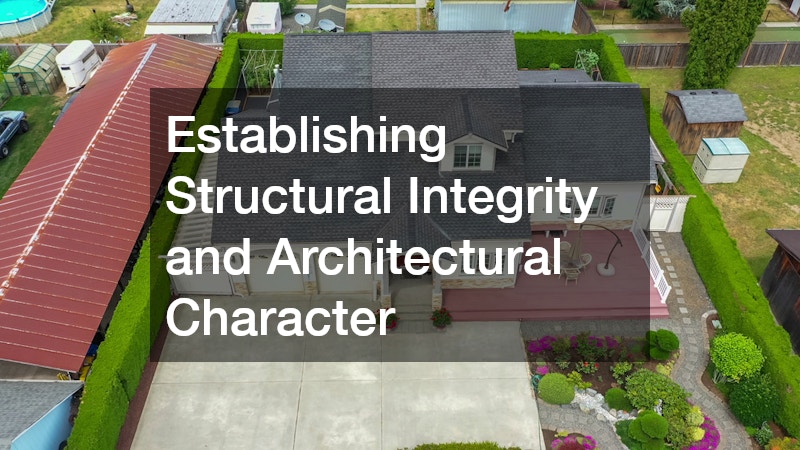
The roofline and primary wall structures form the literal silhouette of your property. If these elements lack dimension or suffer from decades of wear, no amount of decorative trim will fix the overall aesthetic. Upgrading these core structural components completely redefines the architectural style of your home while reinforcing its defense against the elements.
Elevate the Roofline for Dramatic Dimension
Many standard suburban homes suffer from flat, uninspired roof profiles that make the entire structure look monotonous. When it comes time to replace an aging roof, consider making structural modifications rather than just swapping out materials. Adding gables or dormers over entryways and garage bays breaks up expansive, flat roof planes and introduces beautiful shadow lines.
If major framing changes are outside your budget, you can still alter the visual weight of your roof by extending the eaves. Wider overhangs give a home a grounded, craftsman-style appearance and protect siding from rain. Additionally, replacing flat shingles with heavy-gauge composite slate or standing-seam metal panels adds crisp, intentional linear patterns that elevate the entire design.
Optimize Exterior Ventilation and Siding Longevity
The materials covering your exterior walls must be perfectly straight, well-insulated, and completely integrated with the roof system to look truly premium. Wavy, warped, or improperly installed siding instantly cheapens a house. Upgrading to thick-gauge fiber-cement boards or insulated engineered wood provides perfectly flat surfaces and deep shadow lines that mimic historic millwork.
- Prioritize moisture management: Ensure a high-quality weather barrier is wrapped securely beneath new siding to prevent structural rot and mold.
- Insist on flawless flashing: Water must be directed away from wall transitions, windows, and chimneys using color-matched aluminum or copper flashing.
- Hire qualified specialists: To ensure these complex, high-stakes structural systems are installed to code, always collaborate with a certified roofing contractor and an experienced exteriors contractor who understand local wind and load requirements.
Framing the Facade: Windows, Lighting, and Symmetry
Windows are often referred to as the eyes of a home, playing a vital role in both interior comfort and exterior beauty. Changing the size, shape, and placement of your window openings can completely alter a home’s architectural genre, shifting it from a traditional look to a clean, contemporary aesthetic.
Upsize Your Glazing for a Modern, Open Aesthetic
Older homes often feature small, compartmentalized windows that limit natural light and make the exterior facade look restrictive. Expanding these openings to accommodate large picture windows, floor-to-ceiling glass panels, or structural bay windows creates a striking visual impact.
When planning new window openings, focus heavily on alignment and symmetry. Aligning the tops of your windows with the major horizontal lines of your architecture creates a clean grid pattern that feels balanced and satisfying to the eye. Opting for deep bronze or matte black frames instead of standard white vinyl adds an instant premium, architectural contrast against light-colored siding or masonry.
Control Light and Privacy from the Outside In
Large windows require thoughtful integration with the rest of the facade so they do not look like blank sheets of glass. Incorporating permanent, structural elements around the window frames helps ground them into the exterior design.
- Install deep window casings: Thick wood or composite trim profiles wrap the windows, creating a clear boundary between the glass and your siding.
- Incorporate structural shading: Fixed louvered awnings or extended window headers provide functional shade while breaking up flat vertical walls.
- Select integrated exterior windows: Window treatments utilizing high-end, functional exterior shutters or motorized fabric screens allows you to manage solar heat gain and privacy before light ever hits the glass, keeping the home cool while adding elegant texture to the facade.
Grand Entrances: Redefining Points of Access
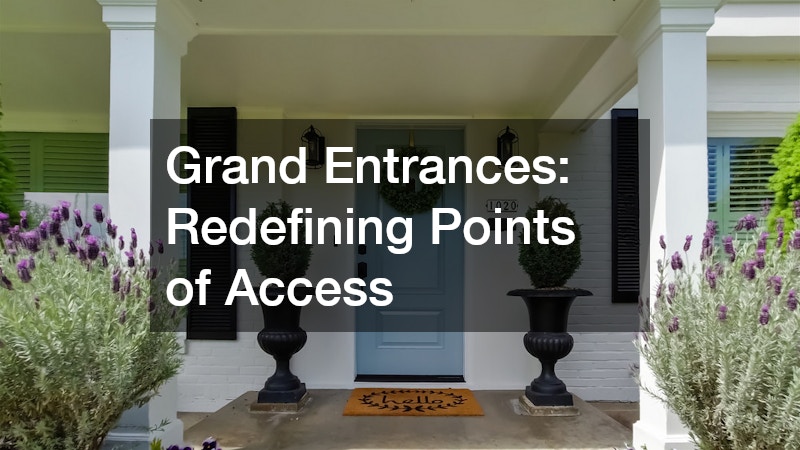
A home’s entrance should act as a clear, welcoming focal point that draws the eye naturally from the street. Many homes relegate the front door to a flat, uninspiring wall, missing a prime opportunity to build architectural character and depth.
Build a Portico or Structural Covered Porch
Transitioning a flat, uninspired front entrance into an inviting, multi-dimensional experience is one of the highest-ROI exterior upgrades you can make. Constructing a structural portico—complete with a vaulted ceiling, exposed timber beams, or stone-wrapped column bases—creates a profound sense of arrival.
This structural addition protects guests from bad weather, shelters your front door from sun damage, and breaks up a flat front facade by extending the home’s architecture outward into the yard. Inside the portico, consider installing tongue-and-groove cedar ceilings paired with recessed lighting to create a warm, premium glow at night.
Transform the Facade with an Architectural Garage Door
On many modern properties, the garage occupies up to thirty percent of the front-facing architecture. Leaving a generic, dented metal garage door in place severely drags down the rest of your exterior design upgrades.
- Match architectural styles: Choose a garage door that echoes the design language of your front entry door, whether that means using matching wood tones, identical window grid patterns, or crisp minimalist lines.
- Invest in premium materials: Look for flush-panel insulated wood, frosted glass in aluminum frames, or durable composite faux-wood that offers the beauty of timber without the heavy maintenance.
- Work with seasoned professionals: Because these architectural doors are heavy and require precise tensioning to operate safely, relying on certified garage door contractors ensures the tracks, springs, and smart openers are perfectly tuned for long-term reliability.
Engineering the Groundwork: Driveways and Walkways
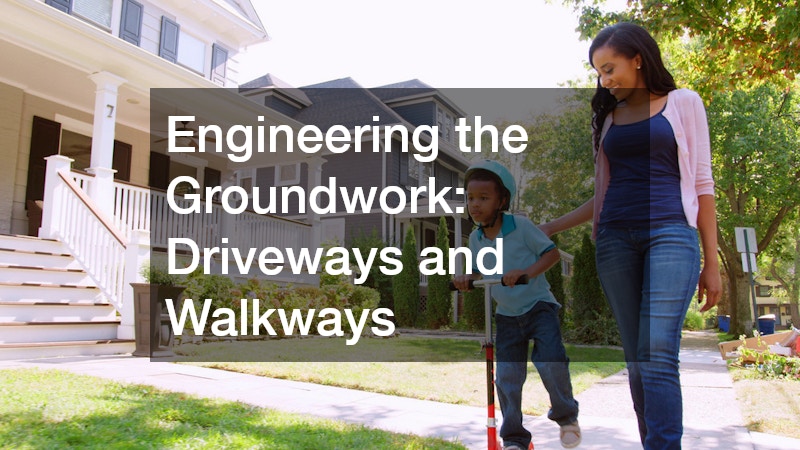
The approach to your home sets the tone before a guest ever reaches the front door. Crumbled, stained, or poorly laid driveways and paths instantly detract from even the most beautiful architectural upgrades. Elevating your hardscaping requires focusing on both structural durability and clean visual design.
Modernize the Approach with Clean, Durable Paving
A driveway should act as a crisp frame for your property rather than an eyesore. Replacing old, cracked concrete or shifting gravel with a dark, smooth, beautifully graded driveway provides an immediate boost to your curb appeal. The contrast of a rich, dark driveway against green grass and a well-lit house creates a highly polished look.
To take the design a step further, consider bordering the driveway with cobblestones, brick pavers, or poured-in-place concrete curbing. This structural border keeps the edges from fraying, prevents soil migration, and adds an elegant, custom-tailored finish to the perimeter of your property.
- Focus on the foundation: Ensure the ground beneath the driveway is excavated deeply and packed with a thick, compacted aggregate base to support heavy vehicles without sagging.
- Manage water runoff: Slope the surface carefully away from your home’s foundation, integrating channel drains if your property sits on a natural incline.
- Partner with specialized experts: Achieving a perfectly level, long-lasting surface requires heavy machinery and precise temperature control, meaning you should always source a professional asphalt contractor to handle the initial excavation and paving pour.
Extend the Lifespan of Your Hardscape Investment
Once your primary driveway structure is perfectly installed and cured, keeping it looking immaculate requires ongoing maintenance. Unprotected pavement is highly susceptible to oil stains, water penetration, and UV bleaching, which can quickly turn a rich black surface into a faded, chalky gray.
- Apply protective barriers regularly: A high-quality polymer-modified sealer locks out moisture and blocks harmful ultraviolet rays that break down structural binders.
- Schedule routine preventative care: Hiring a professional driveway sealing company every few years ensures the surface maintains its deep, uniform color and remains protected against cracks, potholes, and winter salt damage.
Leveling Up Safety and Pedestrian Flow
Walkways should naturally invite movement, guiding visitors safely from the driveway or street directly to your front entrance. Structural issues underfoot not only diminish the beauty of your design but also create significant safety liabilities that must be addressed immediately.
Level and Reset Sunken Walkways
Tree roots, soil erosion, and changing frost lines can easily disrupt walkways, causing individual slabs to sink, tilt, or crack apart. Instead of pouring a generic concrete path to replace them, consider upgrading to a more intentional design, such as oversized geometric concrete pavers, flagstone paths, or a series of floating concrete steps bordered by clean river rock.
- Fix structural trip hazards immediately: Addressing shifted masonry through professional sidewalk repairs ensures your entry paths are level, safe, and fully compliant with municipal codes.
- Improve step geometry: If your path involves stairs, ensure every riser is exactly the same height and every tread is wide enough for a comfortable, natural stride.
Update the Finish of Existing Metal Work and Trim
Replacing perfectly functional metal railings, iron security gates, or aluminum window trim simply because they look weathered or outdated can be incredibly expensive and wasteful. However, leaving rusted or peeling metal features intact will instantly ruin the polished look of your new walkways and structural upgrades.
- Opt for high-durability coatings: Rather than using standard paint brushes that leave streaks and easily peel under intense sun, invest in a specialized factory-like finish.
- Utilize advanced application techniques: Contracting an exterior electrostatic painting service allows you to apply a magnetically charged, highly durable coating to all metal surfaces. This process ensures 100% even coverage, wraps perfectly around intricate iron scrollwork, and delivers a smooth, long-lasting finish that resists chipping and fading for years.
Living Architecture: Strategic Earthmoving and Tree Canopy Management

Landscape design should never feel like an afterthought or a random collection of plants. True structural landscaping uses grading, earthmoving, retaining walls, and mature flora to echo, frame, and balance the physical architecture of your home.
Establish Sightlines and Structural Plantings
A brilliant landscape plan guides the eye directly toward the home’s best architectural features while artfully hiding less attractive elements like utility meters or AC units. Introducing multi-tiered retaining walls made of natural stone or architectural concrete blocks can completely transform a flat, boring yard into a dynamic, multi-level masterpiece. These walls can also fix steep slopes, prevent erosion, and create beautiful, built-in planters for structural greenery.
- Incorporate structural plant layering: Place tall, columnar trees at the corners of your property to frame the house, medium-sized shrubs to ground the foundation, and low-growing groundcovers along walkways to pull the eye forward.
- Prioritize long-term root safety: Select slow-growing, non-invasive plant species near your foundation to prevent future structural cracking or plumbing damage.
- Collaborate with design professionals: Hiring certified landscape designers helps you create a comprehensive master plan that accounts for soil composition, sun exposure, drainage patterns, and year-round visual interest.
Manage the Canopy for Light and Architectural Safety
Mature trees add immense value, character, and shade to a property, but left unmanaged, they can completely obscure your home’s beautiful architecture and threaten its structural safety. Low-hanging limbs can trap moisture against your roof, scrap against siding, or block natural light from entering your newly upgraded windows.
- Prune for visibility and health: Open up clear sightlines from the street to your home’s front entrance by raising the lower tree canopy and thinning out dense interior branches.
- Eliminate structural hazards: Over time, heavy limbs growing over your roofline can snap during severe storms, causing catastrophic damage to your shingles and gutters.
- Trust the work to certified arborists: Securing a professional tree service guarantees that large-scale limb removal, hazardous root pruning, and canopy balancing are executed safely without risking your home, lawn, or the long-term health of the trees.
Elevating your home’s exterior design is an integrated process that requires looking past quick cosmetic cover-ups and focusing instead on lasting structural upgrades. By carefully evaluating and improving the core components of your property—from the slope and shadow lines of your roof to the crisp geometry of your driveway and walkways—you can build a cohesive, premium facade that commands attention.
When hardscaping, architecture, and structural landscaping are intentionally designed to work together, they create a beautiful harmony that makes a home feel incredibly polished. While these large-scale transformations require a larger upfront investment of time and resources, the rewards are undeniable. You will enjoy a safer, more energy-efficient, and structurally sound living space that holds exceptional market value and welcomes you home with a profound sense of pride for years to come.