
A home is more than an aesthetic statement; it is a complex engineering feat designed to protect its inhabitants from the chaotic whims of nature. Whether you are facing the relentless UV radiation of the high desert, the corrosive salt air of a coastal town, or the punishing freeze-thaw cycles of the north, your home’s exterior is the first—and often only—line of defense.
Designing for durability requires a shift in perspective. It is not merely about picking the prettiest color of siding or the most stylish front door. It is about understanding the “building envelope”—the physical separator between the conditioned interior and the unconditioned exterior. When this envelope fails, the results are catastrophic: mold growth, structural rot, and skyrocketing energy bills. In this comprehensive guide, we will explore the technical and practical aspects of creating a weather-resistant exterior that stands the test of time.
Roofing Systems That Endure
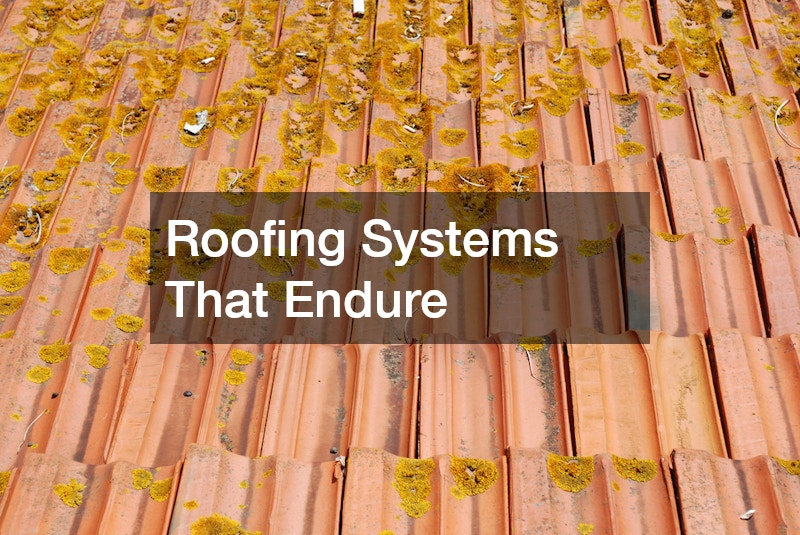
The roof is arguably the most stressed component of any structure. It bears the brunt of direct sunlight, heavy snow loads, and the kinetic energy of hailstones. A failure here doesn’t just mean a wet ceiling; it can lead to the compromise of the home’s entire wooden frame.
Material Selection for Longevity
While asphalt shingles remain the most common choice due to cost, homeowners in extreme climates are increasingly looking toward “lifetime” materials. Metal roofing, for instance, offers incredible wind resistance and sheds snow easily, preventing the weight accumulation that can cause structural sagging. If you choose shingles, look for Class 4 impact-rated products, which are designed to withstand hail without fracturing the fiberglass mat.
The Importance of Expert Installation
No matter how expensive the materials are, a roof is only as good as its flashing and underlayment. This is why choosing a reputable roofer is a critical decision. A professional will ensure that “ice and water shields” are installed at the eaves and valleys, where leaks are most likely to occur. Furthermore, a local roofing company will understand the specific wind-load requirements of your municipality, ensuring that the nailing pattern used can withstand regional gusts.
Critical Roof Maintenance Tips:
- Inspect Flashing: Check the metal strips around chimneys and dormers annually for cracks or lifting.
- Clear Debris: Moss and leaf litter trap moisture against shingles, leading to premature granule loss.
- Monitor Ventilation: Ensure ridge vents are not obstructed, as excessive heat in the attic can “cook” shingles from the inside out.
Resilient Siding and Trim
If the roof is the hat of the home, the siding is its coat. It must be breathable enough to let interior moisture escape but tight enough to prevent driving rain from reaching the sheathing.
Engineering the Exterior Wall
Modern material science has given us fiber cement and engineered wood, both of which offer the look of traditional cedar without the susceptibility to rot and wood-boring insects. For those in fire-prone areas, fiber cement is particularly valuable as it is non-combustible. However, the complexity of these materials means that improper installation can void warranties and lead to moisture trapping.
Engagement with professional siding companies is vital for these high-performance materials. These specialists use specific flashing techniques, such as “Z-flashing” over window heads, to ensure water is directed away from the wall cavity. Beyond the broad surfaces, the fine details of your home’s exterior carpentry—the soffits, fascia, and decorative trim—must be made of rot-resistant materials like PVC or treated wood to prevent the edges of your home from crumbling over time.
Choosing Siding for Your Climate:
- Vinyl: Cost-effective and moisture-proof, but can become brittle in extreme cold or warp in extreme heat.
- Fiber Cement: Extremely durable and fire-resistant, but requires periodic painting to maintain its aesthetic.
- Stucco/EIFS: Excellent for dry climates but requires expert drainage systems in wet regions to prevent “sick building syndrome.”
Windows as Thermal Barriers
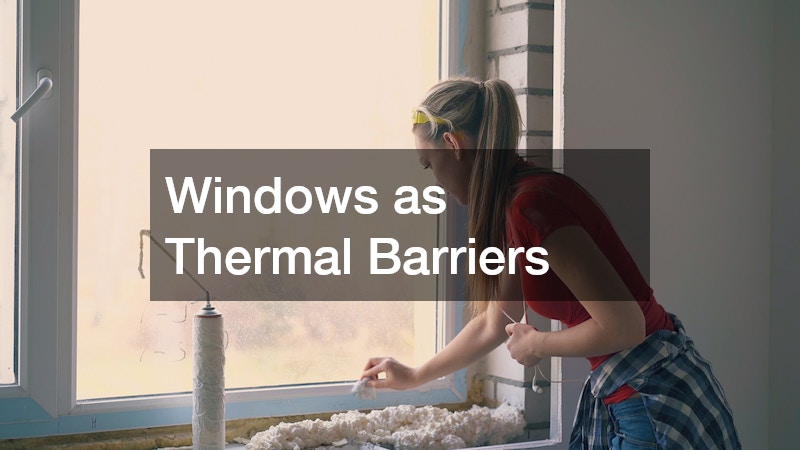
Windows are the weakest points in any thermal envelope. They are essentially holes in your insulated walls, filled with glass. To withstand the elements, a window must do more than just provide a view; it must manage solar heat gain and resist air infiltration.
The Science of Modern Glazing
Low-E (low-emissivity) coatings are now standard, but the number of panes and the gas fill between them make the real difference. In cold climates, triple-pane windows with argon or krypton gas provide a significant buffer against the chill. In hurricane-prone areas, laminated impact glass is essential to prevent the pressure changes that occur when a window shatters—changes that can actually blow a roof off a house.
Because the technology behind windows is constantly evolving, it is wise to consult with dedicated window companies rather than general contractors. These specialists can provide data on U-factors and Solar Heat Gain Coefficients (SHGC) tailored to your home’s orientation. Additionally, establishing a relationship with a home window service for regular inspections can help identify failing seals before they lead to foggy glass or hidden frame rot.
Performance Markers to Look For:
- U-Factor: Measures how well the window prevents heat from escaping (lower is better).
- Air Leakage Rating: Look for windows with a rating of 0.3 or lower to ensure a tight seal against drafts.
- DP Rating: “Design Pressure” indicates the window’s ability to withstand structural wind loads and water penetration.
Fortifying Doors and Thresholds
An exterior door must be a paradox: it needs to move easily on its hinges while acting as an immovable, airtight barrier when closed. Because doors are high-traffic areas, they often show the first signs of wear and tear from the elements.
Selecting the Right Door Core
Steel doors offer the highest security and weather resistance but can dent and feel hot to the touch in direct sun. Fiberglass is often the “Goldilocks” material for an exterior door because it can be molded to look like wood but will never warp, rot, or swell regardless of the humidity levels. If you insist on real wood, it must be protected by a significant overhang or a high-quality marine-grade finish.
Over time, even the best doors will settle, or the weather stripping will compress. Staying on top of door repairs is a vital part of home maintenance. Replacing a worn sweep or adjusting a strike plate can prevent water from seeping under the threshold during a storm. For larger openings, such as those leading to a deck or patio, the structural integrity of the frame is paramount to prevent the “wracking” that makes doors difficult to lock.
Door Maintenance Checklist:
- Check the Sweep: If you can see light under your door, water and pests can get in.
- Lubricate Hinges: Use silicone spray to prevent rust in humid environments.
- Refinish Early: Don’t wait for wood to peel; a fresh topcoat every two years prevents deep water damage.
Managing the Largest Opening
In many modern homes, the garage door represents up to 30% of the front facade. It is a massive surface area that acts like a sail in high winds. If a garage door fails during a windstorm, the resulting internal pressure can often lead to the collapse of the roof.
Wind-Load and Insulation
For homeowners in “V-zones” (velocity zones), a reinforced garage door is a legal and practical requirement. These doors include heavy-gauge tracking and internal steel struts to prevent buckling. Beyond wind, the garage is often a major source of heat loss. Choosing a door with a high R-value and a thermal break (a material that prevents heat from conducting through the metal) can keep the rest of the home more comfortable.
Installation is not a DIY project. A professional garage door company has the tools to wind the high-tension springs safely and ensure the perimeter seals are tight enough to keep out driving rain and snowdrifts. A properly balanced door also puts less strain on the opener, extending the life of the entire system.
Water Management
The most common cause of catastrophic home failure isn’t wind or fire—it’s water. Specifically, water that isn’t directed away from the foundation. Every drop of rain that falls on your roof must be collected and moved at least six to ten feet away from your home’s footprint.
Gutters and Downspouts
Traditional gutters with seams are prone to leaking at the joints, which often results in water dripping directly onto the foundation or behind the siding. Moving toward a seamless gutter installation is one of the most effective upgrades a homeowner can make. These custom-extruded aluminum troughs have no joints except at the corners, significantly reducing the risk of leaks.
Furthermore, the grading of the soil around the house should always slope away from the structure. If the ground slopes toward the house, even the best gutters won’t prevent a wet basement. This is where site-specific landscaping and hardscaping become part of the exterior design strategy.
Advanced Drainage Solutions:
- French Drains: Underground pipes filled with gravel to redirect groundwater.
- Sump Pumps: A final line of defense for homes built on high water tables.
- Rain Gardens: Aesthetic landscape features designed to absorb and filter runoff.
Strategic Material Pairings
Building for the elements is about the synergy between materials. For example, if you live in a coastal area, using stainless steel fasteners for all your exterior carpentry is non-negotiable. Standard galvanized nails will corrode in the salt air, leading to “bleeding” stains on your siding and, eventually, structural failure of the trim.
The Role of Color and Texture
Light colors reflect UV radiation, which can extend the life of your siding and roofing materials by keeping surface temperatures lower. Conversely, in cold climates, darker colors can help melt snow and ice more quickly. Texture also plays a role; rougher surfaces can hide small amounts of hail damage or wind-blown debris better than smooth, high-gloss finishes.
The Importance of Professional Synergy
Designing a resilient home is rarely a solo endeavor. It requires a handoff between various trades. The roofer must coordinate with the gutter installer; the window installer must work with the siding team to ensure the flashing overlaps correctly. When these professionals communicate, the result is a layered defense system.
When hiring, look for contractors who emphasize “flashing” and “moisture management” rather than just aesthetics. A contractor who talks about the “drying capacity” of a wall is someone who understands how homes actually fail in the real world.
Customizing Your Defense
No two climates are the same, and your design choices should reflect your specific geography.
The Humid South
In the Southeast, the primary enemies are humidity and termites. Here, using pressure-treated lumber for all ground-contact exterior carpentry is essential. Siding should be installed with a “rain screen” system—a small gap between the siding and the house wrap that allows air to circulate and dry out any moisture that gets behind the boards.
The Frozen North
In climates with heavy snow, the roof design is paramount. Metal roofing is ideal for shedding snow, but it requires “snow guards” to prevent massive drifts from falling all at once and crushing landscaping or injuring people below. Insulation levels in the attic must be high enough to keep the roof deck cold, which prevents the snow from melting and refreezing at the eaves—the primary cause of ice dams.
The Arid West
In the Southwest, the sun is the primary destroyer. UV radiation breaks down the chemical bonds in paints and plastics. Using inorganic pigments in your exterior finishes and choosing windows with the lowest possible SHGC will keep the home cool and the colors vibrant. Fire resistance is also a key factor here; avoiding wood shakes and opting for stone, stucco, or fiber cement can be the difference between a home standing or falling during a wildfire.
The Final Piece of the Puzzle

Even the most perfectly designed home will eventually succumb to the elements if it is not maintained. Think of your home’s exterior as a machine that requires regular tuning.
The Bi-Annual Walkthrough
Every spring and fall, take a walk around your property with a critical eye. Look for:
- Peeling Paint: This is the “canary in the coal mine” for moisture infiltration.
- Gaps in Caulk: Especially around windows and where different materials meet.
- Clogged Gutters: Water backing up in a gutter will eventually find its way under the shingles.
- Cracked Mortar: In brick or stone homes, cracks can allow water to freeze inside the wall, expanding and causing structural damage.
Professional Inspections
While a homeowner can spot many issues, some require a professional eye. Every five years, it is worth having a structural professional or a high-quality contractor perform a “deep dive” inspection. They can use thermal imaging cameras to look for cold spots in walls (indicating missing insulation or moisture) and check the attic for signs of slow leaks that haven’t yet reached the ceiling.
Designing a home exterior that withstands the elements is an exercise in foresight. It requires balancing the initial budget with the long-term reality of maintenance and repair. By prioritizing high-quality materials—from the peak of the roof to the foundation’s drainage—you create a sanctuary that remains comfortable and safe regardless of the weather outside. The elements are relentless, but with the right design and professional execution, your home can be even more so.