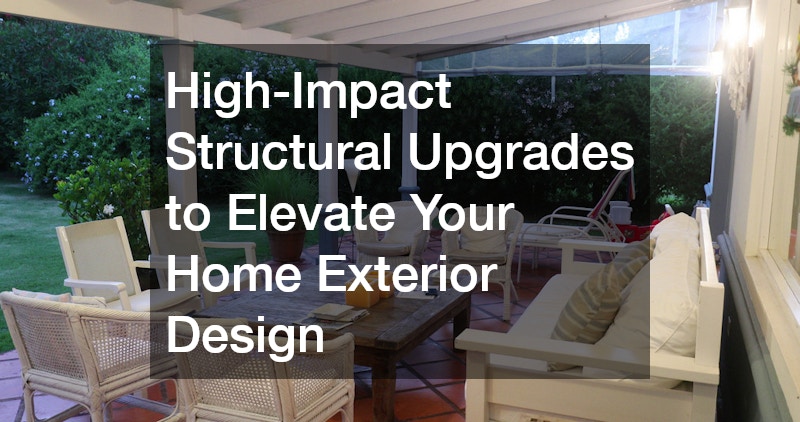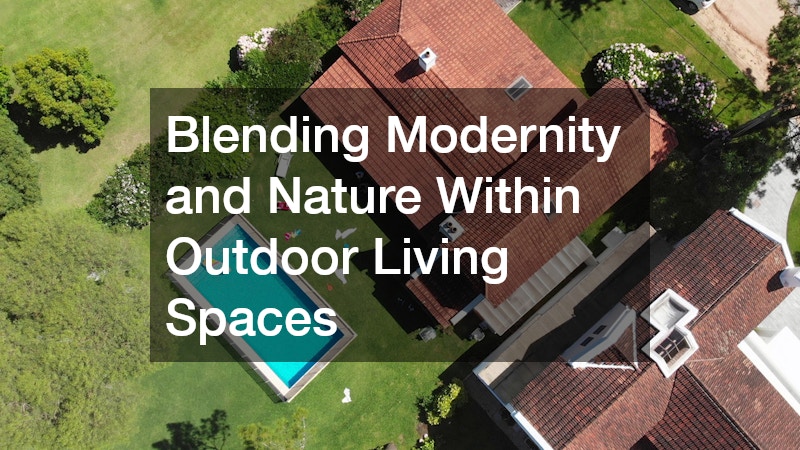
The concept of the backyard has undergone a radical transformation. No longer just a patch of turfgrass with a grill tossed in the corner, the modern outdoor living space is now envisioned as a fully realized architectural extension of the home. The most compelling designs today achieve a delicate equilibrium known as biophilic modernism—the practice of using clean lines, industrial materials, and smart technology to frame and celebrate the raw, unpredictable beauty of the natural world.
The primary challenge lies in the execution. When modern design leans too far into minimalism, it risks feeling sterile, cold, or entirely detached from its environment. Conversely, when nature is left completely untamed, the structural functionality of an outdoor living room can easily become lost. Achieving a seamless blend requires a deliberate strategy that marries sleek finishes with organic textures. This comprehensive guide details how to build a luxurious outdoor sanctuary that bridges the gap between contemporary architecture and the natural world.
Opt for Clean-Lined Geometric Layouts
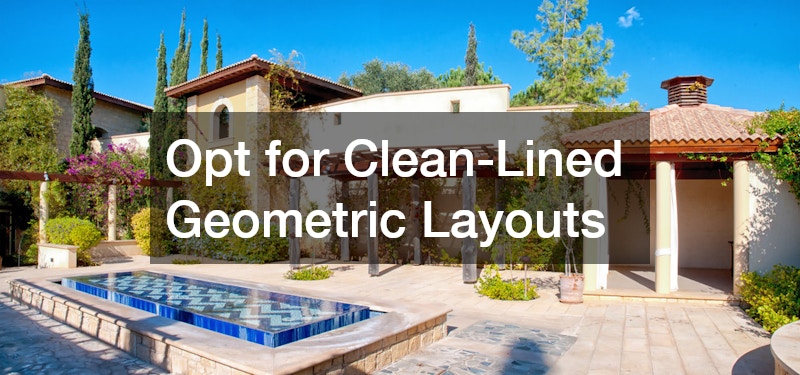
To create an immediate sense of contemporary luxury, the ground plane must prioritize structure. Utilizing large-format, monochromatic pavers allows you to establish a grid that speaks directly to modern interior flooring, creating that coveted indoor-outdoor flow.
- Implement Steppable Gaps: Instead of mortaring pavers tightly together, leave deliberate two-to-three-inch gaps between them. Fill these gaps with low-growing ground covers like Scotch moss, creeping thyme, or dwarf mondo grass. This breaks up the visual weight of the stone and invites nature to pierce through the grid.
- Embrace Monochromatic Palettes: Stick to slate gray, charcoal, sand, or cool white for your primary surfaces. These neutral tones act as a canvas, making the deep greens and rich earth tones of your surrounding flora look instantly more vivid.
- Vary the Scale: Use oversized rectangular slabs for primary walking paths, transitioning to smaller, tight-jointed stones for the main patios to define different functional zones without building physical walls.
- Establish Strong Axial Sightlines: Align the primary joints of your stone paving with major windows or glass doors of the home to draw the eye outward into the garden seamlessly.
Integrate Cast-in-Place Features for Mid-Century Edge
Poured concrete is a hallmark of modern architecture, offering a sleek, industrial aesthetic that contrasts beautifully with soft foliage. The key to using it successfully outdoors is precision and purposeful integration.
- Low-Slung Retaining Walls: Construct cast concrete walls that hug the natural contours of your yard. By keeping them low, you can top them with smooth hardwood to create built-in bench seating that saves space and keeps the sightlines open.
- Custom Fire Features: A linear fire table made from raw, board-formed concrete provides a striking focal point. The rough texture left behind by the wooden forms perfectly bridges the gap between man-made structure and raw nature.
- Professional Execution: Achieving a flawless, silky finish on raw concrete requires highly specialized labor. It is crucial to collaborate with experienced concrete contractors who understand structural reinforcement and specific mix designs to prevent cracking, scaling, or discoloration over years of exposure to the elements.
- Incorporate Cantilevered Concrete Step-Overs: Design poured steps that extend out over gravel or water features to give the heavy, industrial material an unexpected sense of weightlessness.
Build Multi-Level Platforms to Mimic Natural Terrain
Flat yards can sometimes feel uninspired, while severely sloped yards present usability challenges. Designing multi-level platforms allows you to mimic the natural terracing of hillsides while establishing distinct areas for dining, lounging, and cooking.
- Incorporate Floating Steps: Design wide, shallow staircase systems where each tread cantilevers slightly over the riser. When combined with hidden under-step lighting, the steps appear to float effortlessly above the ground, creating a highly sophisticated, lightweight look.
- Contrast Materials: Frame your wooden platforming with dark steel or black powder-coated aluminum trim. This industrial border grounds the warm wood tones and ties the structure back to modern architectural principles.
- Hire Certified Craftsmen: Building complex, multi-level platforms with seamless transitions requires meticulous structural engineering. Working with reputable deck contractors ensures that your substructure is built to last, fasteners remain completely hidden, and timber species are chosen correctly for your local climate.
- Create Inset Planter Boxes: Cut geometric openings directly into the platform floor to let ornamental trees grow right through the woodwork, seamlessly weaving the living landscape into your structural design.
Use Horizontal Slats for Privacy and Airflow
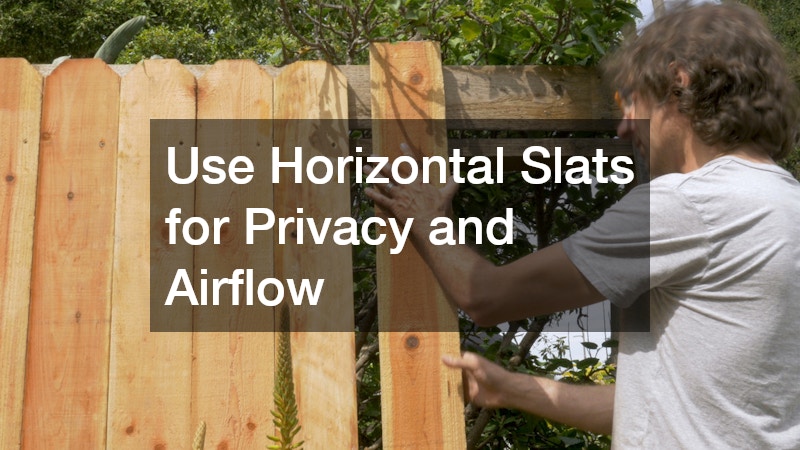
Traditional vertical privacy fences often feel heavy, restrictive, and dated. Modern boundaries should provide a sense of seclusion without making you feel boxed in or disconnected from the surrounding environment.
- Specify Precise Gap Spacing: Use thin cedar, redwood, or composite slats arranged horizontally with a half-inch to one-inch gap between each board. This allows natural light and gentle breezes to filter into your space, casting beautiful, shifting shadow patterns throughout the day.
- Incorporate Living Screens: Use the horizontal framework as a trellis for climbing plants like star jasmine or ivy. Over time, the clean lines of the wood will partially merge with the green vines, blending architecture and botany perfectly.
- Invest in Precision Installation: Because horizontal lines instantly draw the eye, even a millimeter of sagging will ruin the aesthetic. A flawless fence installation relies on perfectly plumb posts, hidden fasteners, and structural mid-supports to maintain those razor-sharp lines for decades.
- Integrate Hidden Gate Openings: Design your perimeter access points using the exact same horizontal slat pattern so that entries disappear into the continuous wall when closed.
Layer Ornamental Grasses Against Architectural Walls
In modern design, plants are treated like living sculptures. The goal is to choose varieties that have distinct silhouettes and movement, positioning them where their shapes can be fully appreciated against clean backdrops.
- Focus on Structural Varieties: Plant massings of Horsetail Reed, Feather Reed Grass, or Blue Arrows Juncus. Their perfectly vertical, repeating lines echo the linear nature of modern architecture.
- Limit the Color Palette: Stick to a highly disciplined palette composed primarily of varying shades of green, silvery blues, and deep purples. Use white flowers exclusively if you want to add bright highlights without introducing visual noise.
- Source Mature Specimens: To achieve an immediate architectural impact, it is wise to choose your plants from premier landscape nurseries. Choosing mature, healthy specimens ensures that your structural plant groupings have the scale and density required to balance the hardscape right from the day they are planted.
- Utilize Mass Planting Strategies: Group identical plant species in blocks or long, linear bands rather than scattering single plants, which creates a cleaner, high-end look.
Sculpt Existing Canopies to Frame Skyline Views
You do not need to clear-cut a wooded lot to achieve a modern look. In fact, mature trees add priceless character, shade, and a sense of history to a newly designed contemporary home. The secret lies in targetted pruning.
- Practice Windowing and Raising: Prune away the lower third of branches on mature trees to expose their beautiful, twisted trunk structures. This lifts the canopy, allowing sunlight to reach the ground while opening up clear, panoramic sightlines across your property.
- Emphasize Asymmetry: Modern design loves the balance of geometric structures against organic asymmetry. Frame a perfectly rectangular lounge area directly beneath the sweeping, irregular canopy of an old oak or maple tree.
- Prioritize Canopy Health: Before changing any grading around old trees, consult a professional tree service. Expert arborists can safely prune deadwood, fertilize the root zones, and ensure that construction equipment does not inadvertently compact the soil and suffocate your most valuable natural assets.
- Incorporate Root Protection Zones: Establish clear boundaries around the drip lines of large trees during construction to prevent heavy machinery from damaging delicate, water-absorbing root systems.
Conceal Low-Voltage LED Strips Beneath Floating Steps
Outdoor lighting should never mimic the harsh glare of an interior commercial space. Instead, it should be soft, warm, and entirely indirect, gently guiding movement while highlighting the textures of nature after the sun goes down.
- Stick to Warm Color Temperatures: Always specify fixtures with a color temperature between 2700K and 3000K. This warm light brings out the natural beauty of wood and stone, whereas cool white light can make an outdoor space look eerie and clinical.
- Hide the Source: Mount flexible, waterproof LED tape light directly under the overhanging lips of steps, benches, and counter caps. The light should wash downward, illuminating the path safely while keeping the actual light bulbs completely out of sight.
- Consult a Specialist: Safely running low-voltage wiring through stone, concrete, and timber requires careful planning. Hiring a certified residential electrician ensures your outdoor transformers are tucked away cleanly, wires are safely buried, and your landscape lighting can be controlled via smartphone apps or voice commands.
- Utilize Micro-Fixture Moonlighting: Place incredibly small, shielded fixtures high up in tree branches to cast a soft, natural dappled light pattern straight down onto your modern pathways.
Zone Your Power Output for High-End Entertainment
An outdoor kitchen, an automated projection screen, or a series of overhead infrared heaters require robust, reliable power infrastructure. Planning this early prevents the need for ugly, surface-mounted conduits later.
- Install Pop-Up Outlets: Utilize flush-mounted, weatherproof pop-up outlets built directly into your stone countertops or deck flooring. They remain completely hidden from view until you need to plug in an appliance or laptop.
- Dedicate Separate Circuits: High-draw appliances like electric smokers, outdoor refrigerators, and intensive heating elements should never share a circuit. Overloading a system will constantly trip breakers and disrupt your relaxation.
- Upgrade Your Core Infrastructure: Reach out to a well-regarded electrical company during the initial excavation phase of your project. They can assess your home’s main electrical panel to see if it can handle the increased load, drop dedicated sub-panels closer to your outdoor living zone, and run subterranean lines cleanly before any hardscaping is laid down.
- Incorporate Weatherproof Media Enclosures: Create recessed, ventilated cavities with motorized doors to shield high-definition outdoor displays and sound systems from ambient moisture when they are turned off.
Extend the Seasons with Slim-Profile Mesh Covers
No matter how beautiful a patio is, heavy winds, intense midday sun, or an influx of mosquitoes can quickly drive you back indoors. Modern architecture solves this problem using sleek, minimalist protective structures that do not block the view.
- Specify Motorized Louvered Roofs: Install a minimalist aluminum pergola with motorized louvers. You can open them completely to let the sunshine filter through, angle them to create perfect shade, or close them entirely to create a watertight roof during unexpected rain showers.
- Opt for Ultra-Thin Framing: When looking to protect a dining or lounge space from pests, choose high-end screen enclosures featuring matte-black, slim-profile aluminum tracks. Modern mesh materials are so incredibly fine that they become virtually invisible from a few feet away, preserving an uninterrupted connection to your gardens.
- Integrate Recessed Heaters: Flush-mount slim infrared heating panels directly into the ceiling of your covered structures to radiate gentle warmth downward, extending the usability of your outdoor room deep into the autumn and winter months.
- Choose Dual-Roller Shade Systems: Equip your covered spaces with automated tracks that hold both a sheer insect screen and a solid, UV-blocking privacy fabric, allowing you to adapt to changing weather with the push of a button.
Apply High-Contrast Neutral Hues to Highlight Foliage
The colors you apply to your home’s exterior walls, privacy fences, and outbuildings have a profound effect on how your brain perceives the surrounding nature. High-contrast paint schemes are an excellent tool for making organic textures take center stage.
- Embrace Deep Moody Tones: Paint accent walls, garden sheds, or rear home facades in deep, matte shades like obsidian, charcoal, or dark navy. These dark colors actually recede visually, causing the bright greens, chartreuses, and delicate textures of your plants to pop forward dramatically.
- Maintain a Matte Finish: Avoid high-gloss or satin finishes on large exterior surfaces. Matte finishes absorb light rather than reflecting it, reducing glare and creating a much softer, more sophisticated backdrop for natural sunlight and leaf shadows.
- Rely on Premium Application: Exterior painting faces brutal exposure to sun, rain, and temperature swings. Engaging a premium residential painting company ensures proper surface preparation, the use of high-grade elastomeric paints that resist fading and cracking, and perfectly crisp paint lines that complement your modern design.
- Use Warm White Accents Discretely: Paint minor structural details or trim in a soft, non-reflective warm white to provide a crisp contrast without introducing harsh, sterile visual breaks.
Blending modernity and nature within an outdoor living space is not about choosing between structural design and environmental beauty. Rather, it is about understanding how these two opposing forces can elevate one another. The clean, unyielding lines of contemporary architecture provide a striking, sophisticated frame that makes the wild, fluid movements of the natural world feel intentional and artistic.
By approaching your backyard renovation with a clear strategy—focusing on a geometric hardscape foundation, warm and thoughtful elevation changes, structural plant choices, invisible technological infrastructure, and high-contrast finishes—you can create a cohesive oasis that offers the absolute best of both worlds. Taking a patient, phased approach alongside skilled professionals allows you to craft a functional, luxurious sanctuary that brings balance, peace, and unparalleled comfort to your daily life.