
Buying a home is an exciting milestone, but it also comes with new responsibilities. One of the most important is keeping the roof in good condition. Regular maintenance can help homeowners identify minor concerns before they develop into costly repairs, protect the interior of the house, and preserve the property’s overall condition. Fortunately, many basic roofing maintenance tasks are manageable with a little knowledge and consistency.
Start With Regular Roof Inspections
New homeowners should make visual inspections part of their regular home maintenance routine. From the ground, look for missing, cracked, curled, or damaged shingles, as well as areas that appear uneven or sagging.
You can also check for damaged flashing around chimneys, vents, skylights, and other roof openings. These areas can be especially vulnerable to water intrusion when seals or materials deteriorate.
A roof inspection does not necessarily require climbing onto the roof. In fact, homeowners without the proper equipment or experience should avoid walking on steep or unfamiliar surfaces. Binoculars can help you examine higher areas from the ground, while a professional can provide a closer assessment when something appears unusual.
It is also helpful to inspect the attic from time to time. Look for damp insulation, water stains, mold growth, or daylight coming through the roof deck. Musty odors can also indicate excess moisture. Catching these warning signs early can give homeowners an opportunity to address a problem before it spreads to ceilings, walls, insulation, or structural components.
Keep Gutters and Surrounding Areas Clear
Gutters play an important role in directing rainwater away from the home’s foundation and exterior walls. When leaves, twigs, and other debris accumulate, water can back up and potentially reach areas where it does not belong. Cleaning gutters regularly helps maintain proper drainage and reduces the likelihood of moisture-related problems.
Downspouts should also be checked to ensure water flows freely away from the house. If a downspout empties directly against the foundation, consider adding an extension to move water farther away. During heavy rain, homeowners can observe their drainage system to make sure water is moving efficiently rather than overflowing or pooling near the home.
Trees around the property deserve attention as well. Overhanging branches can scrape against shingles, drop debris onto the roof, or become a hazard during severe weather. Carefully trimming branches away from the house can reduce these risks. However, large or unstable trees should be handled by qualified professionals rather than tackled as a do-it-yourself project.
Homeowners should also watch for moss, algae, and accumulated debris, particularly in shaded areas that receive limited sunlight. While some growth may appear primarily cosmetic, excessive buildup can retain moisture against roofing materials. Keeping the surface and surrounding drainage areas reasonably clear can help prevent unnecessary deterioration.
Address Problems Before They Become Major Repairs
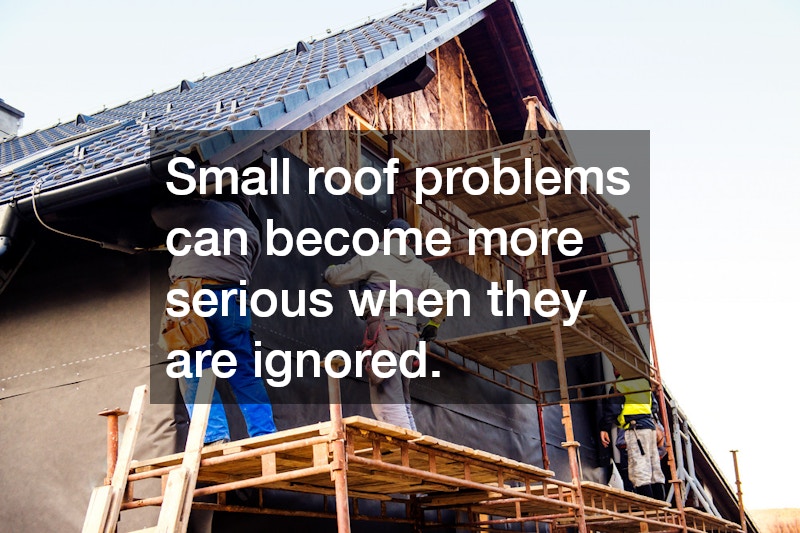
Small roof problems can become more serious when they are ignored. A loose shingle, damaged flashing component, or minor leak may initially seem insignificant, but continued exposure to rain, wind, sunlight, and temperature changes can make the underlying issue worse. Prompt attention can help limit the extent of the damage and potentially reduce repair costs.
After major storms, homeowners should pay particular attention to changes in the roof’s appearance. Strong winds can loosen shingles, while hail may leave dents or cracks that are difficult to see from the ground. Checking the attic after severe weather can also reveal leaks that are not immediately visible inside the living areas.
Homeowners should know when a professional inspection is appropriate. If you notice persistent leaks, significant material damage, sagging, extensive moss growth, or other concerning changes, contacting a qualified roofing professional is generally safer than attempting a complex repair yourself. Professionals have the equipment and experience needed to evaluate the condition of the system and recommend appropriate solutions.
It is also wise to understand the age and maintenance history of the roof after purchasing a home. Keep copies of previous inspection reports, repair records, and warranty information when available. Knowing when major work was completed can help you anticipate future maintenance needs and make informed decisions about repairs or replacement.
Maintaining a home’s roof does not have to be complicated. Regular visual checks, clean gutters, proper drainage, and timely attention to potential problems can go a long way toward protecting the property. New homeowners who establish these habits early can better understand their home’s condition and recognize when professional assistance is necessary.