
Owning a home means constantly juggling priorities, and it is easy to focus on the visible stuff like furniture or landscaping while ignoring the systems that actually protect your investment. Many of the upgrades that matter most are hidden behind walls, under floors, or exposed to weather where they quietly deteriorate until a small issue becomes an expensive emergency. This article walks through the often-overlooked improvements that safeguard your home’s structure, comfort, and resale value. Whether you are a first-time buyer or a longtime owner, understanding these priorities can save you thousands of dollars and a lot of stress down the road.
Your Roof Is Your First Line of Defense

The roof takes the brunt of sun, wind, hail, and rain year after year, yet most homeowners never inspect it until a leak appears on the ceiling. A small crack in flashing or a handful of missing shingles can let water seep into the attic for months before anyone notices the damage. Scheduling a yearly inspection with experienced local roofers can catch these problems early, often for the cost of a simple service call. Catching minor wear before it becomes a structural issue is one of the most cost-effective protections you can give your home.
Beyond leaks, an aging roof affects energy efficiency, insurance eligibility, and curb appeal, so it deserves more attention than it typically gets. Homeowners should watch for granule loss in gutters, sagging rooflines, or daylight visible through the attic boards. These are all signs that professional evaluation is overdue.
- Check for curling, cracked, or missing shingles after major storms
- Look inside the attic for water stains or damp insulation
- Clean gutters regularly so water does not back up under the roofline
- Ask about the remaining lifespan of your current roofing material
- Get a written estimate before committing to any major repair
What Happens Below the Surface Matters Too
Basements and crawl spaces are often the most neglected part of a home because they are out of sight and out of mind until moisture becomes a visible problem. Cracks in the foundation, musty odors, or efflorescence on concrete walls are early warning signs that water is finding its way in. A local basement waterproofing contractor can assess drainage patterns, grading, and interior sealing options before mold or structural damage sets in. Waiting until standing water appears usually means a far more expensive repair than addressing the issue proactively.
Proper waterproofing is not just about stopping puddles during heavy rain; it also protects indoor air quality and prevents pest infestations that thrive in damp environments. Sump pumps, French drains, and vapor barriers are common solutions depending on the severity of the issue. Getting a professional opinion helps homeowners avoid guessing which fix is actually needed.
- Watch for white powdery residue on basement walls
- Note any musty smells that persist even after cleaning
- Check that downspouts direct water at least six feet away from the foundation
- Inspect window wells for cracks or pooling water after rain
Turning Unused Space Into Durable Living Area

Garages, basements, and utility rooms often have bare concrete floors that are prone to dust, cracking, and moisture absorption over time. A concrete epoxy coating transforms these surfaces into a smooth, durable finish that resists stains, oil, and heavy foot traffic. This upgrade is particularly popular for homeowners converting garages into workshops or basements into livable space. It also makes cleaning dramatically easier since spills wipe up instead of soaking into porous concrete.
Hiring a local epoxy flooring service ensures the surface is properly prepped, since skipping steps like moisture testing or grinding can cause the coating to peel within a year or two. Professionals also have access to industrial-grade materials that outperform many do-it-yourself kits sold at hardware stores. This is one of those upgrades where quality installation truly determines how long the results last.
- Ask whether moisture testing is included before installation
- Compare warranty lengths between different coating products
- Choose slip-resistant additives if the space will get wet or oily
- Confirm cure times so you can plan around the project
Rethinking the Floors You Walk On Every Day
While garages and basements benefit from epoxy, the living areas of a home need flooring that balances comfort, style, and durability. Carpet, hardwood, laminate, and tile all have different maintenance needs and lifespans, and choosing the wrong one for a high-traffic area can lead to premature wear. Consulting with flooring services early in a renovation helps homeowners match material choices to their household’s actual lifestyle, including pets, children, or allergy concerns. This kind of guidance prevents costly do-overs a few years down the line.
Replacing outdated flooring can also significantly improve indoor air quality, especially when removing old carpet that traps allergens and dust over the years. Newer flooring options often come with better moisture resistance and easier cleaning, which matters in kitchens, bathrooms, and entryways. Taking time to compare samples in your own lighting conditions before committing is a simple step that pays off.
- Consider water resistance for kitchens, bathrooms, and entryways
- Ask about underlayment options for noise reduction
- Factor in long-term maintenance costs, not just upfront price
- Request samples to view in your home’s actual lighting
Fencing for Security, Privacy, and Curb Appeal

A fence does more than mark property lines; it provides security for children and pets, adds privacy, and can meaningfully boost how a home is perceived from the street. Vinyl fencing has become a popular choice because it resists rot, fading, and insect damage far better than traditional wood, while still offering a clean and classic look. It also requires far less upkeep since there is no need for staining or repainting every few years. For homeowners who want a long-term investment rather than a recurring maintenance chore, this material is worth serious consideration.
Working with experienced local fence contractors ensures the installation accounts for property lines, local permit requirements, and proper post depth for your soil type. A poorly installed fence can lean, warp, or fail within a few seasons, which defeats the purpose of the investment. Getting a couple of quotes and asking about post-installation warranties can help homeowners avoid common installation pitfalls.
- Verify property boundaries before installation begins
- Ask about local permit or homeowners association requirements
- Compare maintenance needs across wood, vinyl, and metal options
- Request references from recent installation projects
Managing Light, Privacy, and Energy Loss
Windows are one of the biggest sources of heat loss in winter and heat gain in summer, yet homeowners often overlook how much a simple window treatment can help regulate indoor temperature. The Department of Energy estimates that uncovered windows can account for 25 to 30 percent of residential heating and cooling energy use, making them one of the most cost-effective upgrades to tackle.
Not all treatments perform equally, though. Honeycomb or cellular shades trap air in their pockets and are particularly effective on north- and west-facing windows that battle winter drafts and summer glare, while thermal-lined curtains add a softer, decorative layer that still blocks airflow. For rooms with especially large windows or sliding glass doors, pairing a solid shade with a heavier drape closes gaps that a single treatment alone might miss.
Beyond energy savings, the right treatment also protects furniture and flooring from sun fading over time. UV-blocking liners and solar shades can filter out the majority of harmful rays without sacrificing natural light, which matters most in south-facing rooms that get direct sun for much of the day. Bedrooms and media rooms often benefit from blackout options that add both privacy and better sleep or screen visibility.
Choosing treatments room by room, based on sun exposure and privacy needs, gives better results than a one-size-fits-all approach. A kitchen window over the sink may only need a light-filtering shade for daytime privacy, while a street-facing living room window might call for a heavier, fully opaque option for evening use.
- Choose insulated or cellular shades for rooms with heavy sun exposure
- Add blackout options in bedrooms for better sleep quality
- Consider UV-blocking treatments to protect furniture and flooring
- Layer curtains over blinds for both style and insulation
A Fresh Coat Protects More Than Appearance
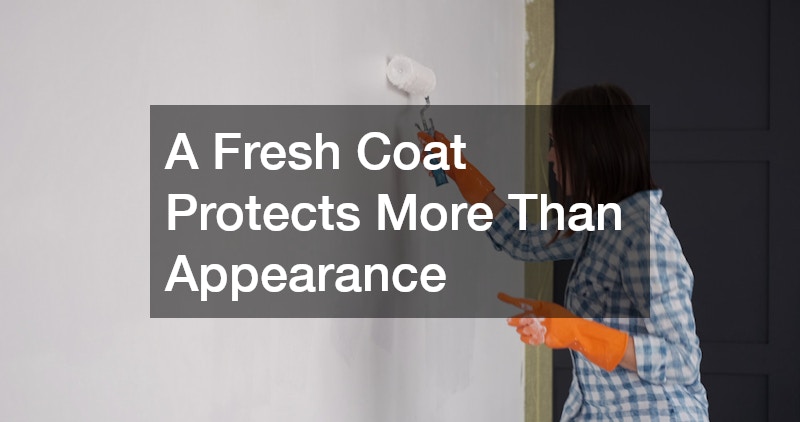
Paint is often thought of as a cosmetic upgrade, but it actually serves as a protective barrier against moisture, mold, and general wear on both interior and exterior surfaces. A quality exterior coat can repel water for years, while an unprotected surface can absorb moisture within days of exposure, leading to swelling, rot, and mold growth behind the walls.
Hiring professional painters ensures proper surface preparation, including sanding, priming, and caulking gaps, which prevents peeling and premature failure. Professionals also know which primers and paint formulas suit specific materials, such as using elastomeric coatings on stucco or oil-based primers on bare wood, choices that make a measurable difference in longevity.
Exterior paint in particular shields siding and trim from sun damage and moisture intrusion, extending the life of the materials underneath. UV rays alone can degrade unprotected wood and vinyl within a handful of years, while a well-maintained paint job can add a decade or more to the surface’s lifespan.
Skipping prep work to save money upfront usually leads to a paint job that needs redoing within just a few years. What looks like a bargain often costs more in the long run, since repainting every three to five years adds up quickly compared to a properly prepped job that can last eight to ten.
Beyond curb appeal, exterior paint acts as a barrier against moisture, sun damage, and pests, which is why the quality of the job matters as much as the color you choose. When selecting a painting company, homeowners should ask about the type of paint used, since higher-quality products with better UV resistance and mildew protection tend to last significantly longer—often 8 to 12 years compared to 3 to 5 years for budget alternatives.
It also helps to request a written scope of work outlining surface prep steps, number of coats, and cleanup expectations. Proper prep work, such as power washing, scraping loose paint, and applying primer to bare wood, often matters more than the paint brand itself when it comes to longevity. A reputable painting company should also specify how they’ll handle caulking around windows and trim, since gaps here are a common entry point for water damage.
This level of detail protects homeowners from vague estimates that lead to disappointing results. A clear, itemized quote also makes it easier to compare bids fairly, since a lower price that skips prep work or uses thinner coats may end up costing more in repairs down the line.
- Ask about primer use on new or repaired surfaces, since bare wood, drywall patches, and stains often need it to prevent uneven absorption
- Choose paint sheens based on room function and moisture exposure — semi-gloss or satin for kitchens and bathrooms, eggshell or matte for bedrooms and living areas
- Request a detailed written estimate before work begins, including labor, materials, and prep work like sanding or caulking
- Confirm how many coats are included in the quoted price, since one coat rarely provides full, even coverage
- Verify the paint brand and quality tier being used, as budget paints often require more coats and fade faster
- Ask how surfaces will be prepped, including washing, scraping, and filling cracks, before any primer or paint goes on
Building a Simple Maintenance Routine That Works
Many of the upgrades discussed above last far longer when paired with a consistent maintenance routine rather than a one-time fix. A seasonal schedule works best: check gutters and downspouts in spring and fall, swap HVAC filters every 60-90 days, and walk the exterior each season to spot cracked caulking, loose shingles, or drainage issues before they worsen.
Homeowners who track maintenance dates, even in a simple spreadsheet or phone app, tend to catch problems earlier and spend less overall on repairs. A basic log noting the date, task, and any observations (like a slow-draining gutter or a musty basement smell) can reveal patterns over time that point to a bigger underlying issue, such as poor grading or an aging roof membrane.
This habit is especially valuable for protecting big investments like roofing, flooring, and foundation work, where a $200 fix ignored for two years can turn into a $15,000 repair. Setting phone reminders tied to the change of seasons, rather than trying to remember dates manually, removes the guesswork and makes the routine far more likely to stick.
For homeowners who want extra accountability, many local contractors and home inspection companies offer annual or biannual check-up visits for a flat fee, which can serve as a useful backstop to a DIY routine.
- Schedule seasonal walkthroughs of the roof, gutters, and foundation—spring and fall are ideal for spotting winter damage or storm wear early
- Keep records of past repairs, installation dates, and warranty details so you know what’s covered and what’s due for replacement
- Set reminders for recurring tasks like caulking, sealant checks, and HVAC filter changes every 1-3 months
- Reassess your home’s needs after major weather events, checking for hidden damage like roof granule loss or foundation shifting
Protecting your home does not require tackling every upgrade at once, but it does require knowing which systems quietly determine your home’s long-term health. Start by identifying the areas that have gone the longest without attention, whether that is the roof, the basement, or the floors underfoot, and prioritize those first. Getting a few professional assessments can clarify which projects are urgent versus which can wait, helping you budget wisely. Taking these steps now means fewer surprises later and a home that stays protected for years to come.