Understanding the proper use of pest control chemicals is crucial for effective pest management, ensuring safety and minimizing environmental impact. This guide provides comprehensive recommendations on selecting and using these chemicals. We aim to help you navigate the complexities of chemical choices, ensuring productivity and environmental responsibility across agriculture, residential areas, and public spaces.
What Chemicals Are Most Effective For Pest Control?
Overview of Chemical Classes
Chemical classes in pest control have specific modes of action. Insecticides target pests such as aphids and beetles, disrupting their life cycles. Herbicides address invasive plant species, improving crop yield. Fungicides manage diseases threatening plant health.
Effectiveness of Insecticides
Insecticides control pest populations by targeting the systems of insects, leading to their elimination. Effectiveness is measured by pest reduction without harming beneficial organisms, with adherence to guidelines to avoid resistance and protect non-target species.
Using Herbicides for Plant Pests
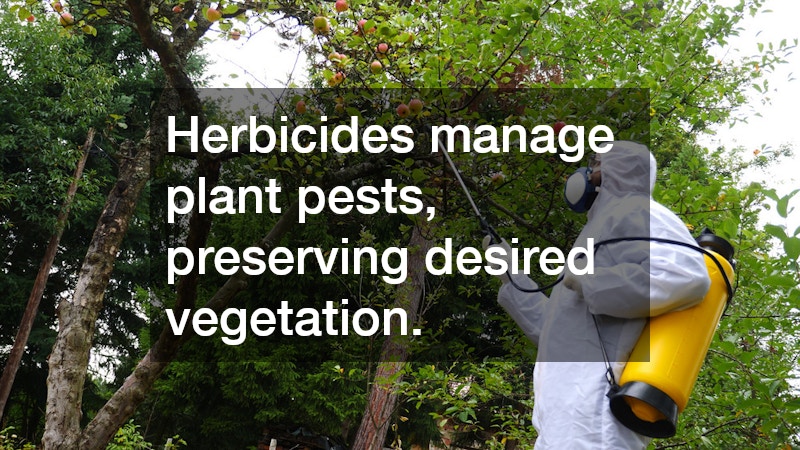
Herbicides manage plant pests, preserving desired vegetation. Reliance solely on chemicals poses risks, highlighting integrated pest management (IPM) strategies involving timing, application technique, and chemical choice adjustments.
Role of Fungicides in Pest Management
Fungicides protect against fungal infections, especially in humid climates. These inhibit fungi growth, essential in crop protection. Rotating chemicals and preventive measures mitigate resistance risks, minimizing environmental impact.
Assessing the Correct Dosages
Determining correct chemical dosages is critical for safety and effectiveness. Adhering to manufacturer instructions safeguards against health risks and allows for minimized environmental contamination.
How to Safely Handle Pest Control Chemicals?
Understanding Safety Labels
Safety labels on chemical products inform users of hazards, toxicity, and safety protocols. Proper interpretation ensures compliance, preventing accidents and minimizing harm.
Personal Protective Equipment (PPE)
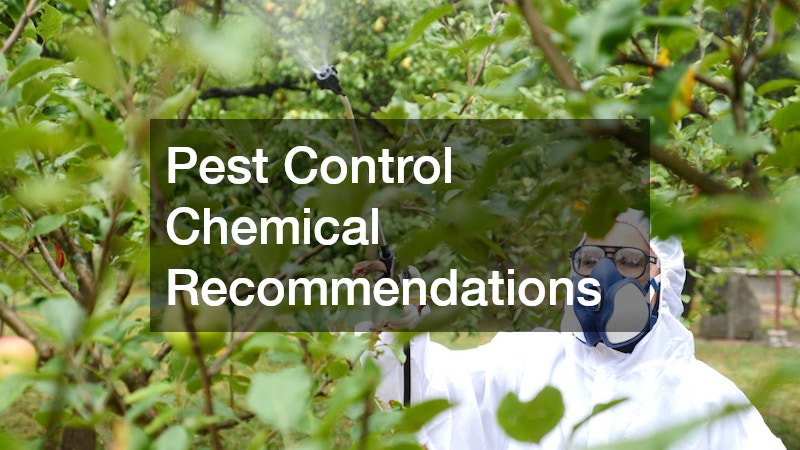
PPE like gloves and masks safeguard against chemical exposure. Training on PPE use enhances compliance and safety, aligning with health standards.
Proper Storage and Disposal Techniques
Proper storage and disposal protect the environment. Chemicals should stay in original containers, and disposal must comply with regulations to prevent contamination.
First-Aid Measures and Emergency Procedures
Preparation for accidents involves identifying symptoms and having emergency plans. Prompt action and first-aid measures prevent health risks.
Environmental Impact Considerations
Assessment of environmental impact includes evaluating toxicity and persistence. Integrating biological and mechanical methods supports sustainability, reducing contamination.
What Are the Best Environmentally Friendly Options?
Biological Pest Control Methods
Biological control uses natural predators or pathogens to manage pests, reducing chemical reliance and supporting biodiversity.
Importance of Integrated Pest Management (IPM)
IPM combines strategies for effective control, emphasizing prevention and monitoring, often reducing chemical application needs.
Sustainable Chemical Alternatives
Sustainable alternatives include biopesticides from natural sources, offering reduced toxicity and aligning with environmental stewardship.
Natural Repellents
Natural repellents like essential oils deter pests without harmful residues, gaining popularity for safety and market innovation.
Implementing Organic Practices
Organic practices maintain ecological balance, focusing on soil health and companion planting to naturally reduce pests.
How to Choose the Right Chemical for Specific Pests?
Identifying the Pest Problem
Accurate pest identification is essential for selecting control measures, helping avoid incorrect applications and improving management strategies.
Consulting Product Labels and Guidelines
Labels and guidelines aid in choosing and applying chemicals safely, ensuring effectiveness and minimizing risks.
Assessing Area of Application
Assessing the application area prevents off-target impacts, tailoring interventions to the environment for precise treatment.
Matching Chemistry with Pest Type
Matching chemical chemistry to pest types is critical. Understanding chemical action guides selection and promotes responsible use.
Expert Recommendations and Sources
Expert recommendations guide chemical use, with input from professionals and trusted sources enhancing effectiveness and safety.
What are the Regulatory Concerns and Compliance Needs?
Understanding Local and Federal Regulations
Compliance with regulations is essential, encompassing production, application, and disposal to protect health and preserve the environment.
Required Permits and Licensing
Necessary permits and licensing ensure legal use, with certifications verifying competency and strengthening market reliability.
Record Keeping and Reporting
Thorough record-keeping supports transparency, regulatory compliance, and improves decision-making.
Proper Training and Certification
Proper training ensures competency in chemical use, enhancing safety and adherence to evolving industry needs.
Legal Implications of Misuse
Misuse causes legal repercussions, emphasizing ethical treatment aligning with professional standards.