The weather does more than change the temperature outside. It slowly wears down every part of your home’s exterior, often in ways that go unnoticed until the damage becomes expensive. Rain, wind, snow, and extreme heat all affect different materials in different ways. Over time, these elements can weaken structural integrity, reduce energy efficiency, and create entry points for moisture.
Many homeowners assume visible damage is the only concern. In reality, small issues often build quietly behind siding or beneath roofing materials. By the time a problem becomes obvious, repairs may already be extensive. This can lead to mold growth, pest infestations, and further deterioration of your property. That’s why understanding how weather affects your home’s exterior systems is essential. It allows you to take action early, protect your investment, and avoid unexpected costs. Regular maintenance checks and timely repairs can save you significant money in the long run, ensuring your home remains safe and secure from the elements.
How Gutters and Drainage Systems Handle Weather Stress
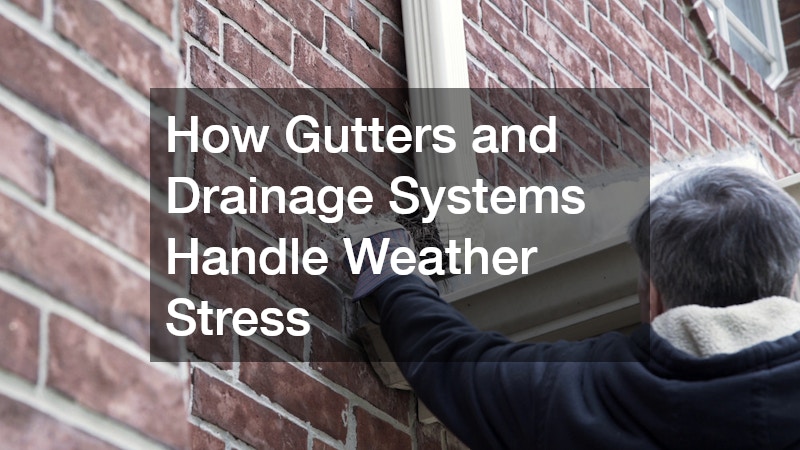
Gutters and drainage systems play a major role in protecting your home, yet they’re often overlooked until something goes wrong. These components are responsible for directing water away from your roof, siding, and foundation. When they fail, water starts collecting in places it shouldn’t.
Clogged or damaged gutters can lead to:
- Water spilling over and soaking the siding
- Foundation cracks from poor drainage
- Basement leaks and flooding
- Ice buildup during colder months
Leaves, debris, and even small pests can block proper water flow. Once water begins to pool, it adds extra weight and strain to the system. Over time, this can pull gutters away from the home or cause sections to collapse.
A roofing contractor often checks gutter performance during inspections because poor drainage directly impacts roof health. Water that isn’t properly directed away from the roofline can sit along the roofline, increasing the risk of leaks and material breakdown.
In many cases, local roofing contractors recommend upgrading gutter systems alongside exterior improvements. Adding gutter guards or improving downspout placement can make a noticeable difference in how well your home handles heavy rain.
Regular cleaning and inspection keep everything working as intended. When gutters are in good condition, they act as a first line of defense against moisture damage, helping protect every part of your home’s exterior.
Timelines for Damage
Understanding the timelines for damage is crucial for effective maintenance and preservation of structures and materials. Damage can develop at varying rates depending on several factors, including climate conditions, the types of materials used, and the effectiveness of ongoing maintenance practices.
Climate Influence
Different climates can significantly affect how quickly damage occurs. For instance, in humid environments, moisture can cause rapid deterioration of materials such as wood and structural metals through rot and corrosion. Conversely, in arid climates, prolonged exposure to intense sunlight and heat can degrade materials such as plastics and certain types of paint, making them brittle and fade more quickly.
Material Types
The choice of materials plays a vital role in the timeline of damage. Organic materials, such as wood, tend to be more susceptible to biological damage like mold and pest infestations, often developing visible signs of decay within a few months if not properly maintained. In contrast, materials like brick and concrete are generally more resilient, but they are not immune. Cracks can develop in concrete due to freeze-thaw cycles or excessive moisture exposure, typically within a few years if essential protective coatings are not applied.
Ongoing Maintenance Practices
Regular maintenance can significantly extend the lifespan of structures. Timelines for damage can be drastically altered with proactive care. For example, routine inspections and timely roofing service can prevent minor issues from escalating into major problems. A well-maintained roof can last decades, while a neglected one may begin showing signs of water damage and structural failure within just a few seasons.
The Impact of Heavy Rain and Moisture
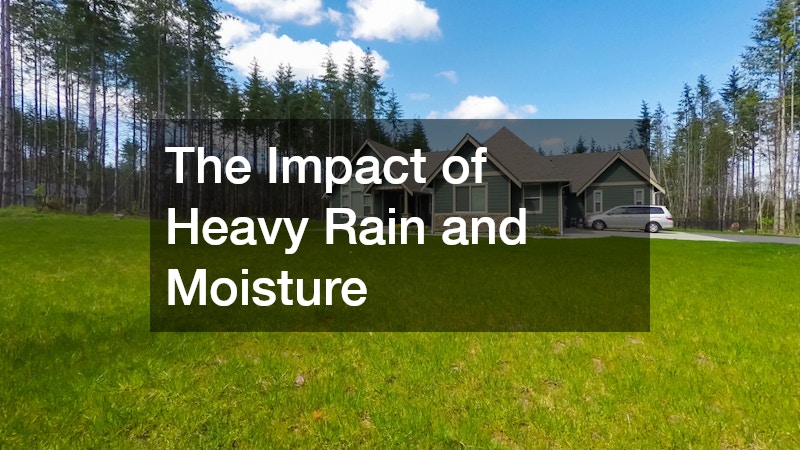
Water is one of the most damaging forces your home faces. While your exterior is built to handle rain, constant exposure can lead to gradual breakdown.
When moisture seeps into cracks or weak points, it can cause:
- Wood rot in structural framing
- Mold growth behind walls
- Insulation damage that reduces energy efficiency
- Staining and deterioration of exterior surfaces
Siding plays a critical role here. If panels loosen or warp, water can slip behind them and stay trapped. A trusted home siding company can identify areas where moisture intrusion has already started, even if the surface looks fine.
Roof systems also take a direct hit during heavy rainfall. Poor drainage or damaged shingles allow water to collect and seep inward. Many residential roofing companies report that long-term water exposure is one of the most common causes of premature roof failure.
Wind Damage and Structural Stress
Strong winds do more than knock over branches. They apply constant pressure to your home’s exterior, testing every seam, fastener, and panel.
Wind damage often shows up as:
- Missing or lifted shingles
- Cracked or detached siding
- Loose flashing around vents and chimneys
- Gaps that allow air and moisture inside
Even moderate winds can create problems if your exterior materials are already worn. Once a small section becomes loose, wind can pull it further apart during the next storm.
A local roofer often sees wind damage that homeowners overlook, especially along roof edges and corners where uplift is strongest. In more severe cases, a roofing contractor may need to secure or replace sections to prevent further structural issues.
Snow and Ice: Slow but Destructive
Cold weather introduces a different type of risk. Snow and ice build up over time, adding weight and trapping moisture against your home’s exterior.
One major concern is ice dams. These form when heat escapes through the roof, melting snow that later refreezes near the edges. This creates a barrier that prevents proper drainage.
Problems caused by snow and ice include:
- Water backing up under roofing materials
- Gutter damage from heavy ice buildup
- Cracks in siding from freeze-thaw cycles
- Increased stress on structural components
Professional roofers often address winter-related issues that started months earlier. Ice damage isn’t always visible until temperatures rise and leaks appear.
Regular roofing service before winter can help reduce these risks by improving insulation, sealing gaps, and clearing drainage systems.
Heat and UV Exposure Over Time
While storms get most of the attention, sunlight and heat quietly break down exterior materials every day.
UV rays can cause:
- Fading and brittleness in siding
- Warping of certain materials
- Drying and cracking of sealants
- Reduced the lifespan of roofing components
Extreme heat also causes expansion. When temperatures drop, materials contract. This constant movement weakens connections and creates small gaps over time.
Homeowners often call local roofing contractors after noticing shingles curling or cracking. These signs point to long-term heat exposure rather than sudden damage.
Working with professional roofing contractors can help identify materials that perform better under intense sun, especially in areas with long, hot summers.
Hailstorms and Sudden Impact Damage
Hailstorms are unpredictable and can cause immediate, visible damage. Even small hailstones can weaken exterior surfaces, while larger ones can create serious structural concerns.
Common hail damage includes:
- Dented or cracked shingles
- Chips in siding or paint
- Damage to flashing and vents
- Compromised protective coatings
The challenge with hail damage is that it isn’t always obvious from the ground. A metal roofing service is often called in after storms to assess hidden dents or surface damage that could lead to corrosion later.
If the damage is severe, a full roofing replacement may be necessary to restore protection and prevent leaks.
Seasonal Changes and Material Fatigue
Your home doesn’t just face one type of weather. It goes through constant seasonal shifts, each bringing different stresses.
Spring introduces heavy rain. Summer adds heat and UV exposure. Fall brings wind and debris. Winter delivers snow and freezing temperatures. Each season builds on the last, gradually wearing down materials.
This cycle leads to:
- Expansion and contraction fatigue
- Weakening of fasteners and joints
- Gradual breakdown of protective layers
- Increased vulnerability to sudden weather events
A roofing contractor may notice that materials installed years ago are now more prone to failure simply due to repeated seasonal stress. Similarly, a home siding company can spot early signs of fatigue that signal the need for repairs before major issues develop.
The Role of Maintenance in Preventing Damage
Regular maintenance is one of the most effective ways to reduce weather-related damage. Small repairs can prevent larger problems and extend the life of your exterior systems.
A maintenance plan typically includes:
- Inspecting roofing and siding for visible damage
- Cleaning gutters and downspouts
- Checking for loose or missing materials
- Sealing gaps and cracks
Homeowners who schedule routine roofing service often catch issues early, avoiding more expensive repairs later. In many cases, local roofing contractors can quickly complete minor repairs, preventing further deterioration.
Maintenance also gives you a clear picture of your home’s condition, making it easier to plan for future upgrades.
When Repairs Are No Longer Enough
There comes a point when repairs stop being cost-effective. If damage is widespread or materials have reached the end of their lifespan, replacement may be the better option.
Signs that repairs may not be enough include:
- Frequent leaks or recurring issues
- Large sections of damaged materials
- Visible sagging or structural concerns
- Rising energy bills due to poor insulation
A local roofer can help determine whether targeted repairs will solve the problem or if a full upgrade is needed. In more advanced cases, professional roofing contractors may recommend a complete roofing replacement to restore long-term performance.
Making this decision early can prevent ongoing repair costs and reduce the risk of further damage.
Choosing Materials That Withstand Weather
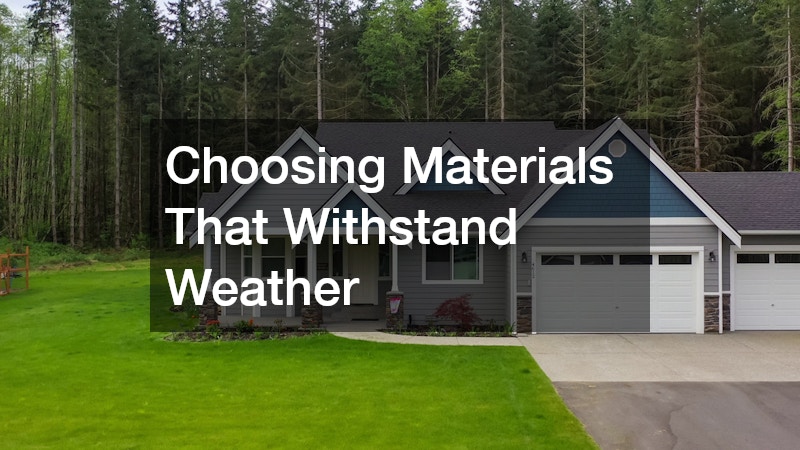
Not all materials perform the same under harsh conditions. Choosing the right options for your climate can make a significant difference in durability.
Factors to consider include:
- Resistance to moisture and rot
- Ability to handle temperature changes
- Impact resistance for hail-prone areas
- Longevity and maintenance requirements
Many homeowners turn to residential roofing companies for guidance on selecting materials that match their environment. For example, a metal roofing service may be recommended in areas prone to heavy snow or hail due to its durability.
The same applies to siding. A reliable home siding company can suggest options that resist moisture and hold up well against wind and sun exposure.
Protecting Long-Term Home Value
Weather damage doesn’t just affect appearance. It directly impacts your home’s value and overall condition.
Unaddressed issues can lead to:
- Lower resale value
- Higher energy costs
- Increased repair expenses over time
- Reduced structural integrity
Working with local roofing contractors helps maintain your home’s exterior in a way that supports long-term value. Regular updates and timely repairs keep everything functioning properly and looking well-maintained.
A roofing contractor can also document improvements, which can be helpful if you decide to sell your home in the future.
Cost Implications
Understanding the financial impact of neglecting repairs is crucial for homeowners. Addressing issues promptly can prevent minor problems from escalating into significant repairs that can strain your budget. For instance, a small roof leak may initially require just a simple patch, but if left unattended, it could lead to water damage, mold growth, and structural deterioration. This progression often results in repair costs ballooning from a few hundred dollars to several thousand.
Moreover, the longer a problem persists, the more complicated and expensive the solution becomes. Take plumbing issues, for example. A minor leak might need a quick fix, but over time it can damage flooring and cabinetry and even lead to mold remediation. The costs associated with these compounded issues can far exceed the costs of the original repair, underscoring the need for early intervention.
Additionally, regular maintenance can mitigate future costs. Establishing a routine for inspections can identify potential problems before they develop into major headaches, saving homeowners money in the long run. Investing in preventive measures not only protects your property’s value but also ensures your finances remain intact, rather than facing an unexpected financial burden down the line. By recognizing the potential for escalating repair costs, homeowners can prioritize timely interventions and safeguard their investments.
Protecting Your Home from the Elements

The weather will always be a factor in how your home ages. While you can’t control the elements, you can control how well your home is prepared to handle them. Staying aware of how different weather conditions affect your exterior systems allows you to act early and avoid larger problems.
Consistent care, smart material choices, and timely upgrades all play a role in protecting your home. Regular inspections can help identify potential issues, from roof wear to insulation effectiveness. Over time, these efforts add up, helping your property stay strong, efficient, and ready for whatever the seasons bring. Investing in your home’s upkeep ensures a safe and comfortable living environment for years to come.